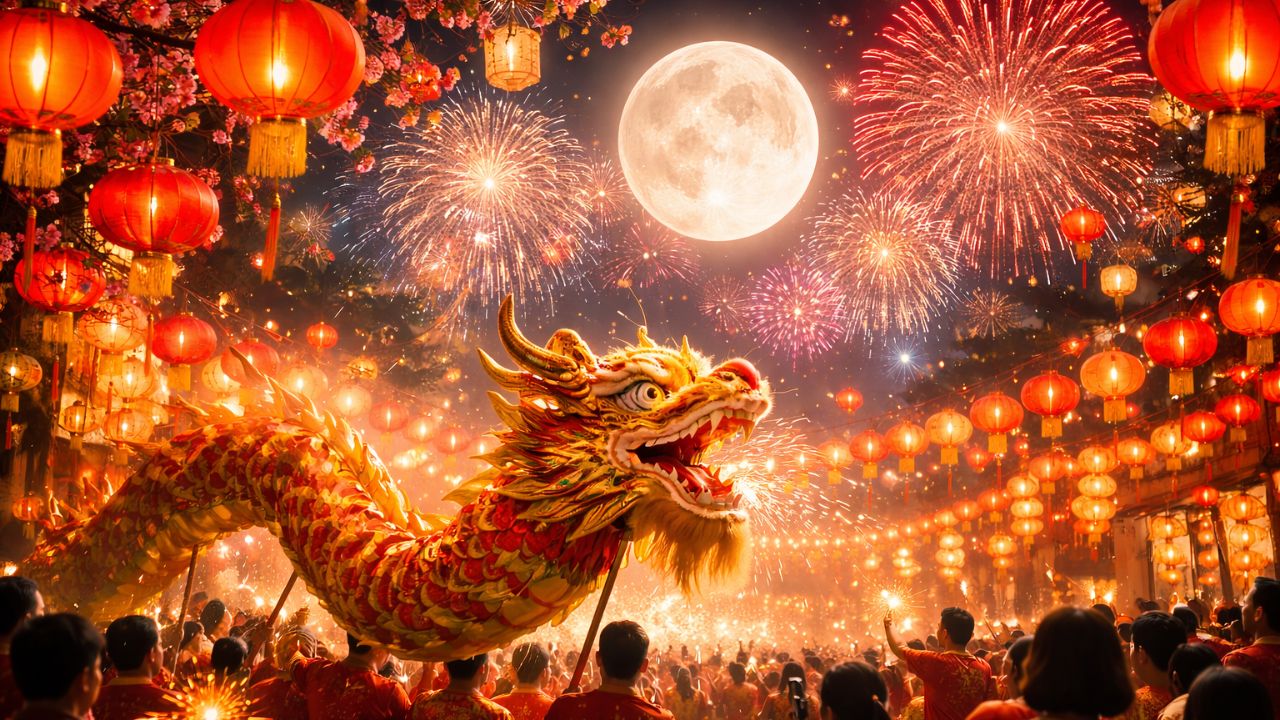
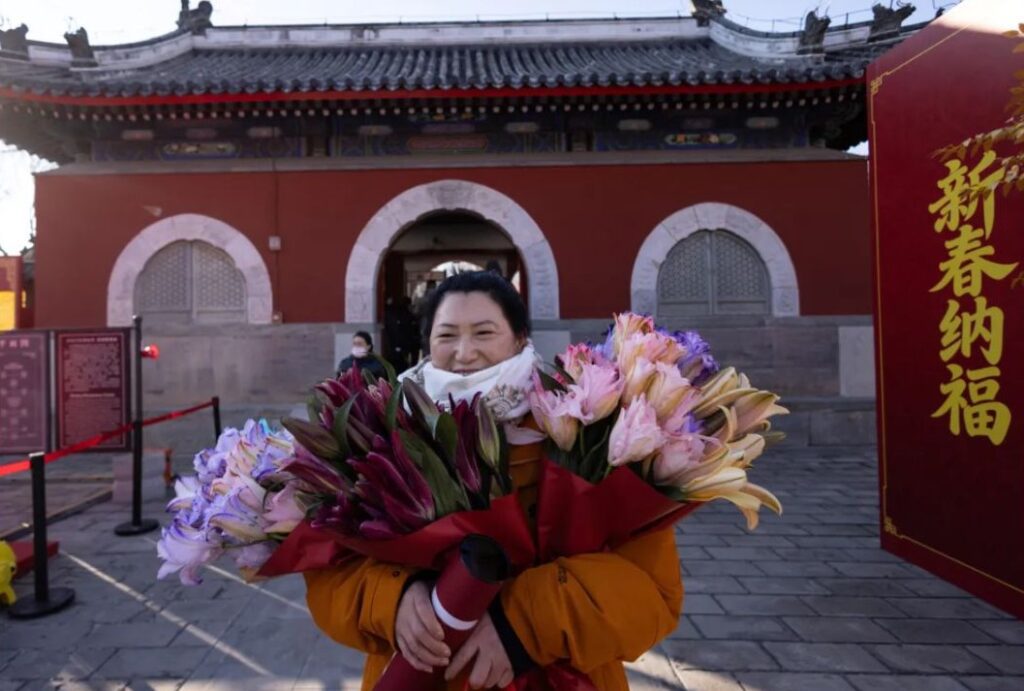
Millions of people across Asia and diaspora communities worldwide welcomed the Lunar New Year on Tuesday, February 17, marking the beginning of the Year of the Fire Horse in the Chinese zodiac with temple prayers, fireworks, and family gatherings.
The festival, which coincides with the lunar calendar’s first new moon, is a 15-day celebration running until March 3, when the Lantern Festival concludes the festivities. The holiday falls annually between January 21 and February 20 according to the lunisolar calendar.
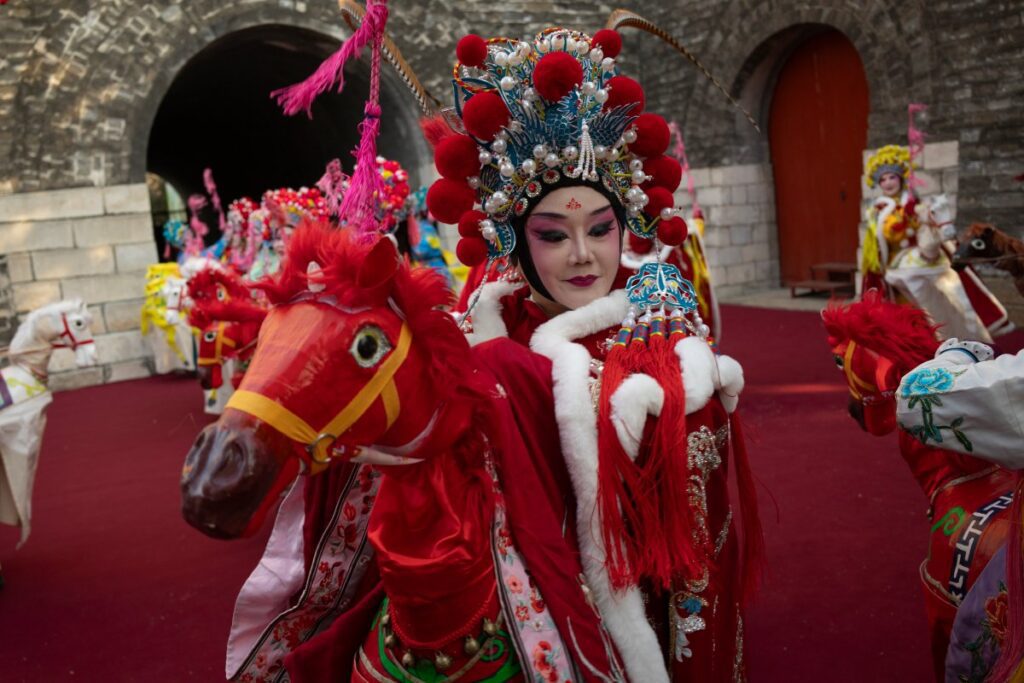
China’s transport authorities expect a record 9.5 billion passenger trips during the 40-day spring festival period, up from 9 billion last year, highlighting the celebration’s significance for family reunions across the country.
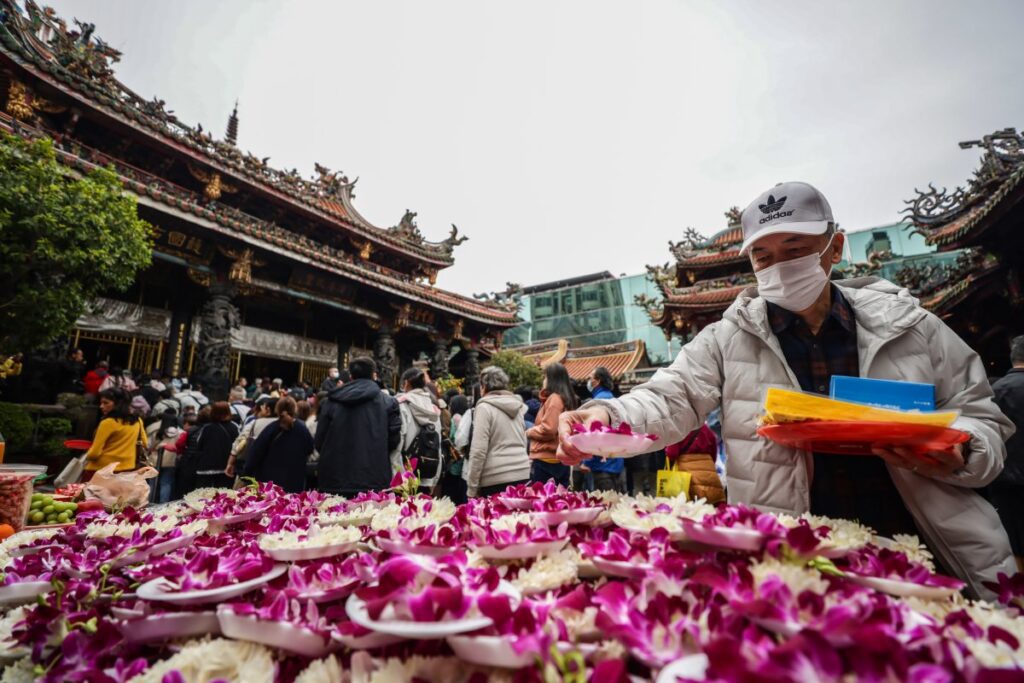
At midnight, devotees in Hong Kong lined up at temples to light incense and make New Year wishes. Vietnam marked the occasion with musical countdown performances and spectacular fireworks during Tet festivities, while Taiwan saw worshippers ring 108 bells and present floral offerings.
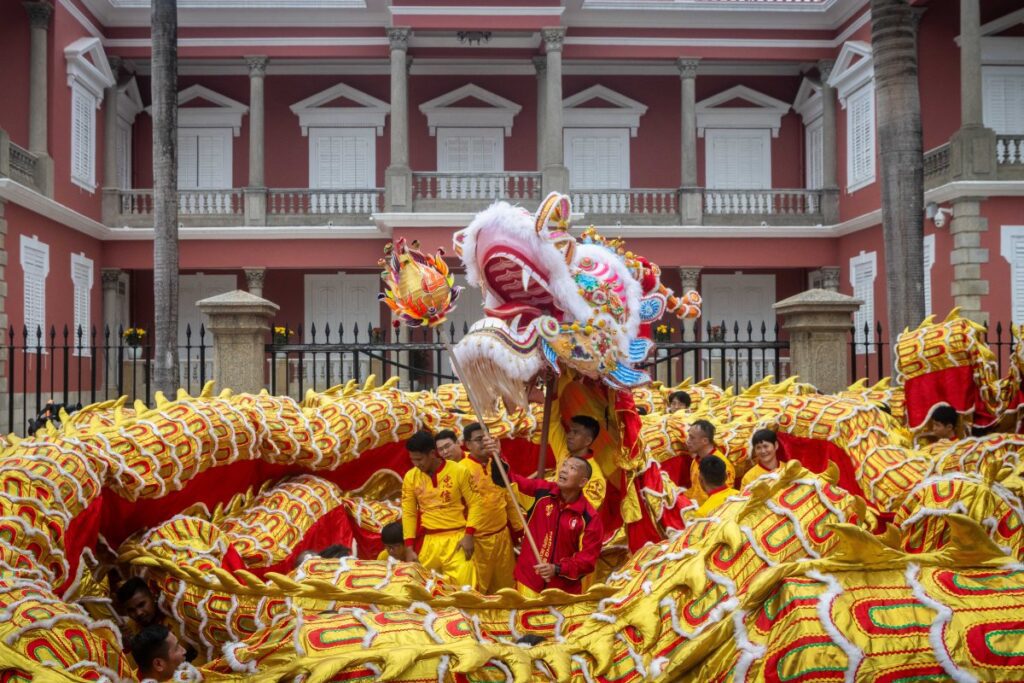
The Year of the Fire Horse represents the seventh animal in the 12-year Chinese zodiac cycle, succeeding the Year of the Snake. In Chinese tradition, the horse symbolises strength, elegance, and heroism, while fire represents energy and passion.
“The Fire Horse is upbeat, hard-working and striving forward,” said Xiaoye You, professor of English and Asian Studies at Penn State, describing the zodiac combination’s significance.
China’s CCTV Spring Festival gala featured a modern twist this year, with humanoid robots from Unitree Robotics performing martial arts sequences alongside children. The robots demonstrated choreographed movements and even brandished swords, showcasing China’s push to develop advanced robotics powered by artificial intelligence.
Celebrations extended beyond Asia. Moscow launched a two-week festival with Chinese delicacies, red lanterns, and dragon decorations. In Buenos Aires, thousands gathered in Chinatown for martial arts exhibitions and dragon dances. New York City’s Chinatown will host its annual parade on March 1.
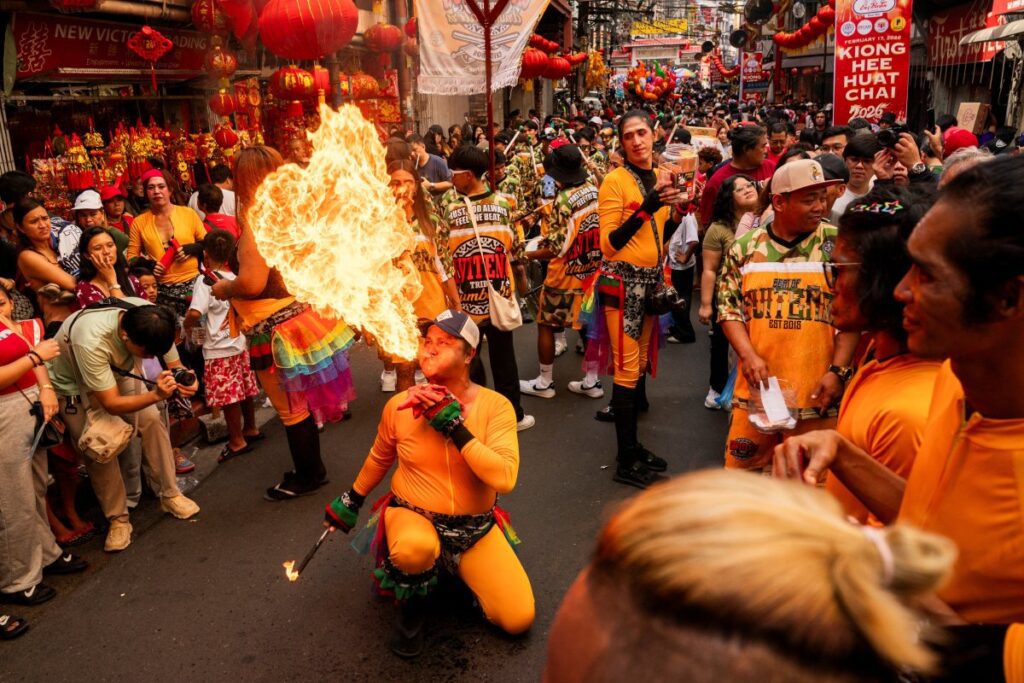
The festival carries deep religious significance for many observers. Taoist and Buddhist traditions shape celebrations focused on renewal, family bonds, and spiritual reflection. Many Buddhists view the occasion as a time to release resentment, forgive past mistakes, and recommit to compassion.
Traditional customs include thorough home cleaning before the new year to sweep away ill fortune, family reunion dinners on New Year’s Eve, and the exchange of red envelopes containing money to symbolise good luck and prosperity. Red decorations featuring auspicious phrases adorn doorways to ward off evil spirits and invite good fortune.
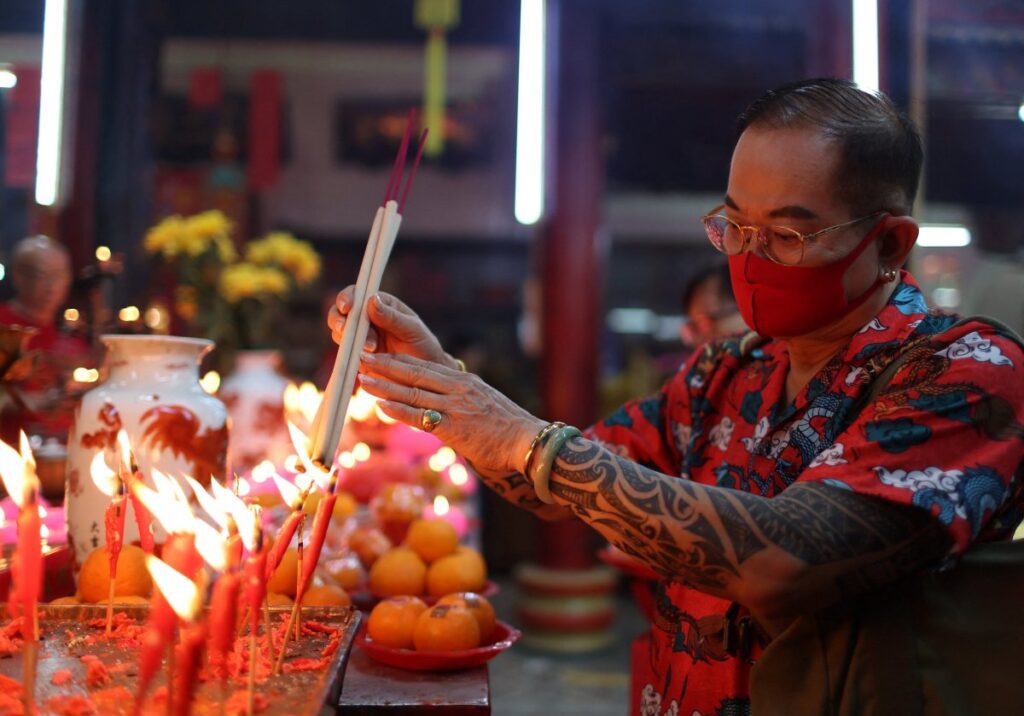
Symbolic foods play a central role in celebrations. Chinese families prepare dumplings representing wealth, whole fish signifying surplus, and extra-long noodles for longevity. Vietnamese households serve sticky rice cakes and braised pork, while Korean families share rice cake soup and perform ancestral rites.
In India, Chinese communities in Kolkata’s Tangra area, Mumbai, and Bengaluru marked the occasion with lion dances, dragon parades, and temple prayers. Kolkata’s Chinatown, home to one of India’s largest Chinese populations, saw streets come alive with colorful celebrations, though the festival is not a public holiday in India.
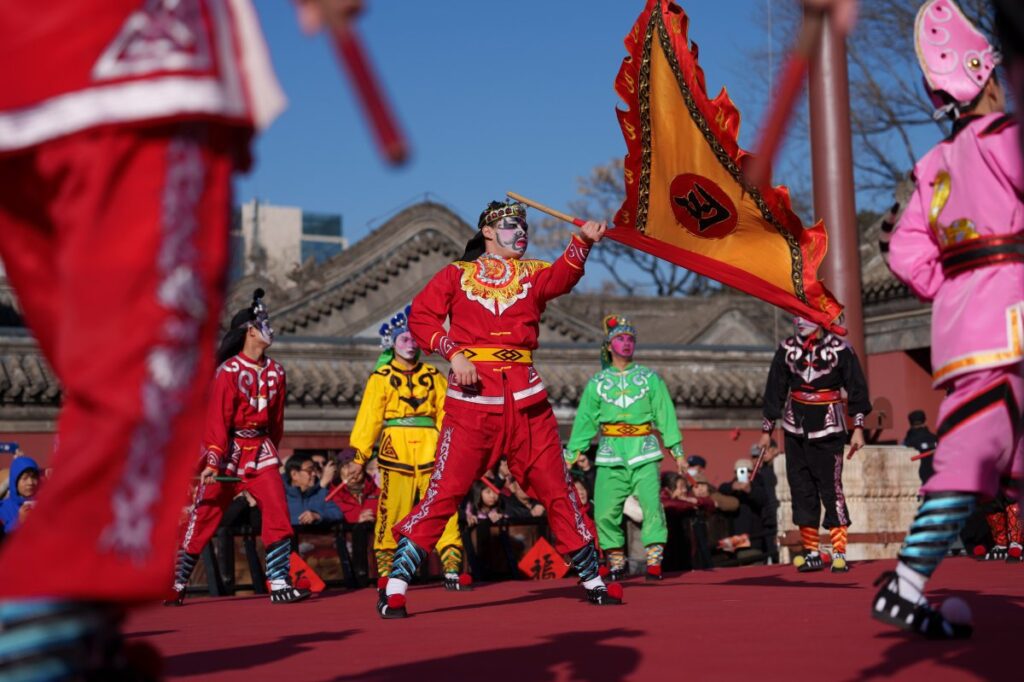
The celebration is observed across East and Southeast Asia, including in South Korea (Seollal), Vietnam (Tết Nguyên Đán), and Mongolia. The United Nations General Assembly recognised the Spring Festival as a UN holiday in 2023, acknowledging its significance to millions worldwide.
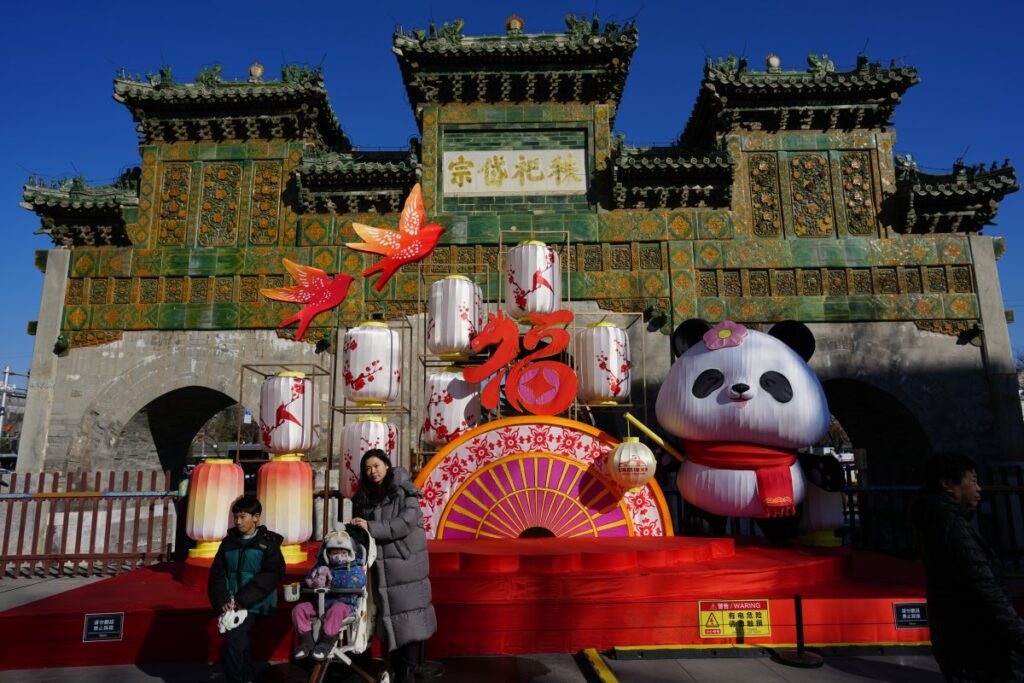
The extended holiday period is expected to boost China’s domestic consumption, a key economic objective for Beijing. Financial markets and businesses across Asia adjust schedules to accommodate the week-long public holiday period.
The Lantern Festival on March 3 will conclude the celebrations with illuminated displays and community gatherings, marking the first full moon of the lunar year and the departure of winter.
About the Author
