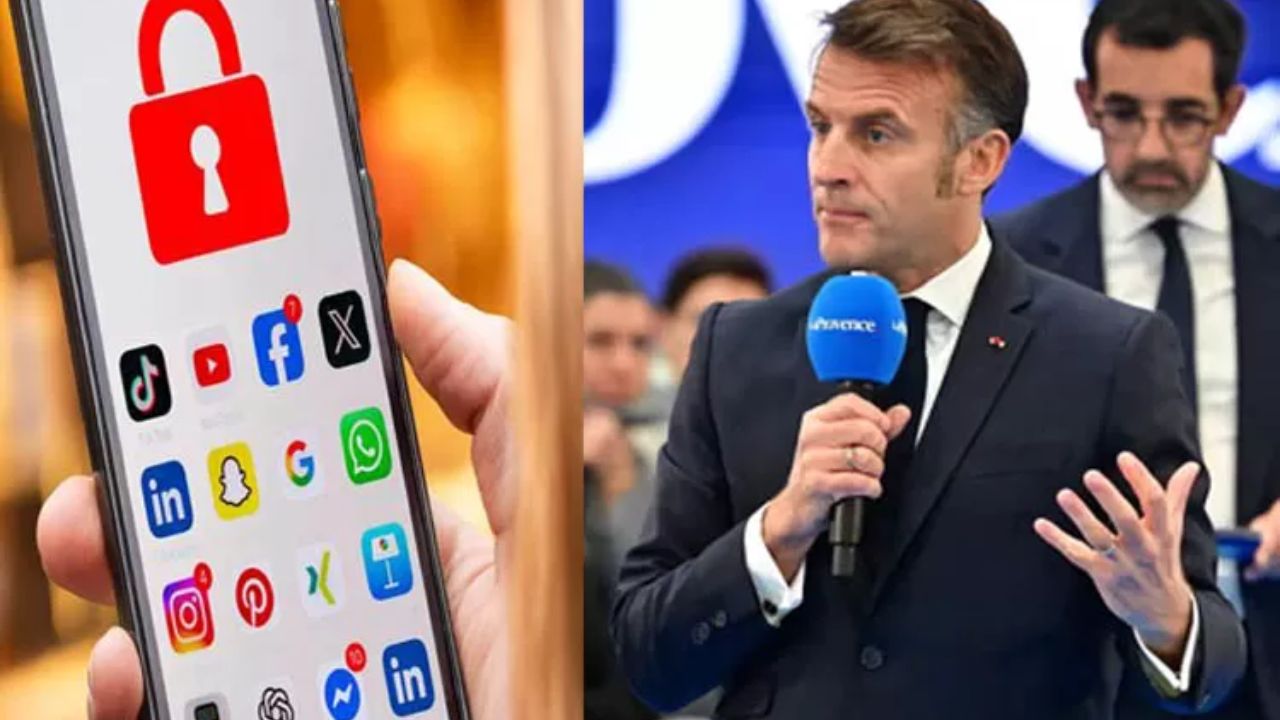
France has taken a significant step toward protecting minors from the potential harms of social media, as the country’s National Assembly approved legislation that would prohibit children under the age of 15 from accessing major social networking platforms. The move reflects rising concern among policymakers over online bullying, mental health challenges and excessive screen time affecting young people.
The bill, passed by a wide margin of 116 votes to 23, now heads to the Senate for further consideration. The French government aims to enforce the law before the next academic year begins, signalling urgency in addressing digital risks faced by children and teenagers.
Strict Controls on Social Media Platforms
The proposed legislation introduces firm restrictions on minors’ online activity. Under the new rules, children below 15 would be barred from accessing social media platforms and embedded social networking features found in many online services. The ban would apply to popular platforms including Facebook and Instagram operated by Meta Platforms Inc, YouTube owned by Alphabet Inc, as well as TikTok and Snapchat.
To ensure compliance, companies would be required to introduce age-verification systems that align with existing European Union regulations on privacy and data protection. The law also seeks to expand current smartphone restrictions in schools. While France already limits phone usage in primary and middle schools, the new bill would extend these prohibitions to high schools as well.
Government Cites Risks to Youth Well-being
French leaders have repeatedly warned about the impact of social media on children’s development and mental health. President Emmanuel Macron has linked excessive social media use to rising levels of youth violence, emotional stress and behavioural issues.
Lawmakers supporting the bill pointed to research showing that heavy screen exposure reduces reading habits, disrupts sleep patterns and encourages harmful self-comparison among young users. Online harassment and cyberbullying were also highlighted as major contributors to anxiety and depression among minors.
By setting what officials describe as “clear boundaries” on digital consumption, the government hopes to create a healthier environment for children while encouraging more offline activities and real-world social interaction.
Inspired by Global Trends
France’s decision follows similar efforts in other countries to curb minors’ access to social media. Australia made international headlines in December when it introduced a pioneering ban on social media for children under 16.
President Macron has publicly praised the Australian approach and urged French lawmakers to implement comparable safeguards. Several European nations, including Britain, Spain, Denmark and Greece, are currently examining similar regulatory models.
French authorities are aiming to have the ban in place by September, aligning enforcement with the start of the new school year.
Strong Public and Political Support
Public opinion in France appears largely in favour of stricter digital regulations for children. A 2024 survey conducted by Harris Interactive revealed that nearly three-quarters of respondents supported banning social media access for minors under 15.
The proposal has also drawn rare cross-party backing. Politicians from centrist groups as well as the far right have described children’s digital overexposure as a “public health emergency” requiring immediate action.
However, reactions among teenagers have been mixed. While some welcomed stronger protections against online harm, others expressed concern that the ban could limit social connections and freedom of expression.
Europe Rethinks Digital Safety for Minors
Across Europe, governments and institutions are increasingly debating how to regulate children’s online experiences. The European Parliament has urged the European Union to explore minimum age limits for social media use, though enforcement remains the responsibility of individual member states.
Key concerns driving the debate include mental health issues, cyberbullying, misinformation and the addictive nature of digital platforms. France’s move could serve as a model for broader action across the continent.
If approved by the Senate and successfully implemented, the legislation would place France among the world’s most proactive nations in regulating children’s digital exposure, marking a major shift in how societies address the influence of social media on young generations.
About the Author
