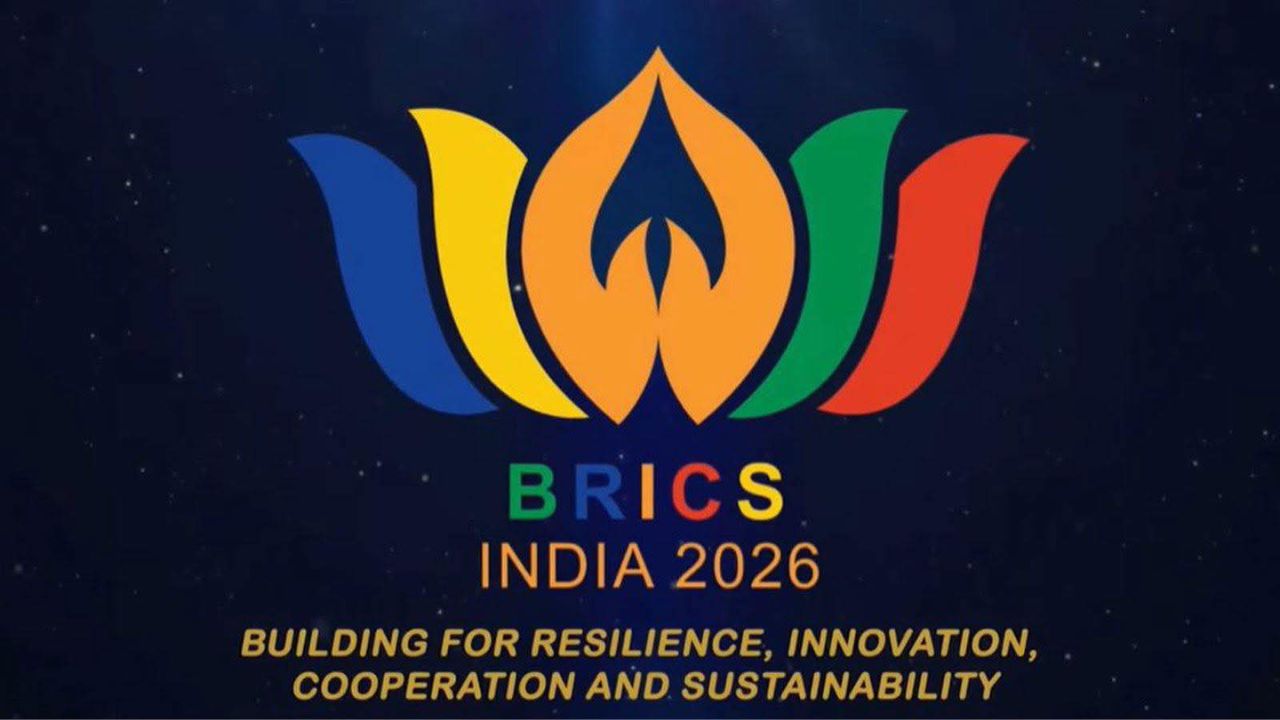
BRICS 2026: External Affairs Minister S. Jaishankar launched the official logo and website for BRICS 2026 on Tuesday, as India assumed the chair of the now 11-member grouping of emerging economies, marking its 20th anniversary next year.
The launch event in the national capital sets the stage for the BRICS summit that India will host in 2026, with New Delhi signalling its priorities of outreach, communication and coordinated initiatives among member nations.
Lotus-Inspired Logo Symbolises Unity In Diversity
The newly unveiled BRICS 2026 emblem draws inspiration from the lotus, presented as a symbol of India’s heritage and resilience. Each petal of the logo reflects the colours associated with BRICS member countries, conveying the grouping’s ethos of unity in diversity.
At the heart of the logo is a Namaste gesture, representing respect, dialogue and a collaborative spirit. The design is supported by the tagline “Building for Resilience, Innovation, Cooperation and Sustainability,” which encapsulates India’s vision for its chairship year.
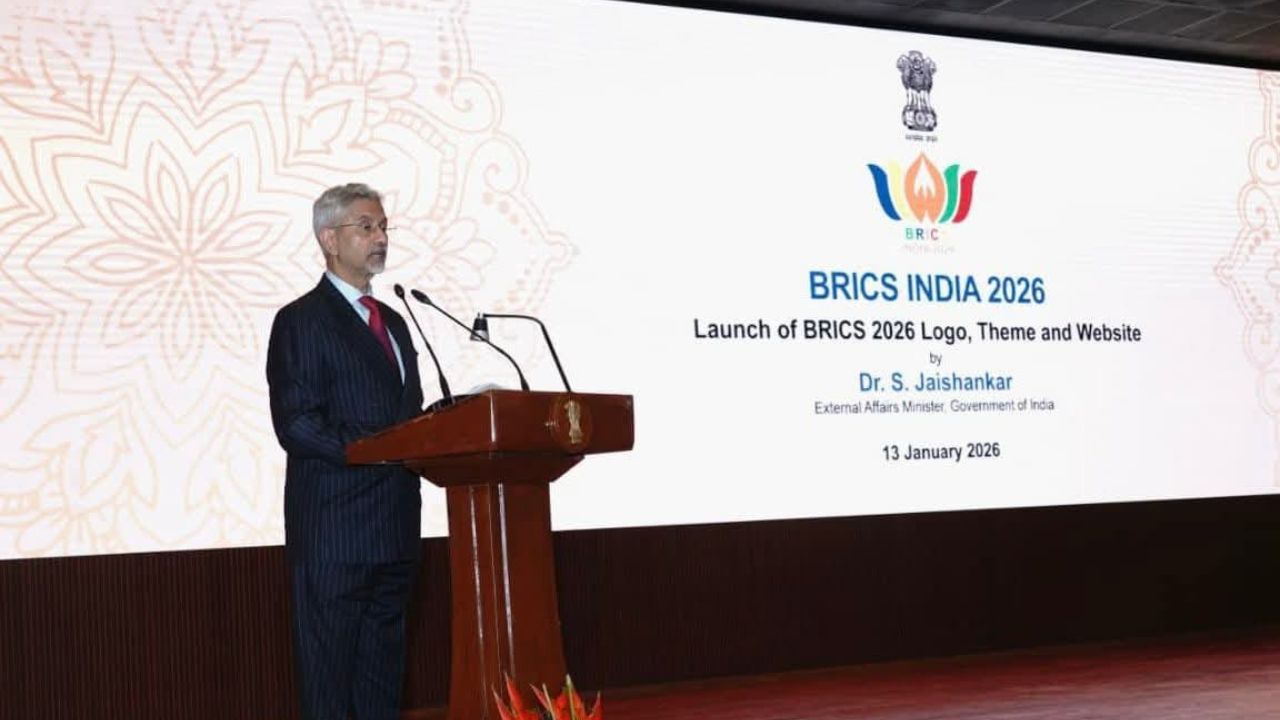
Digital Platform To Boost Public Engagement
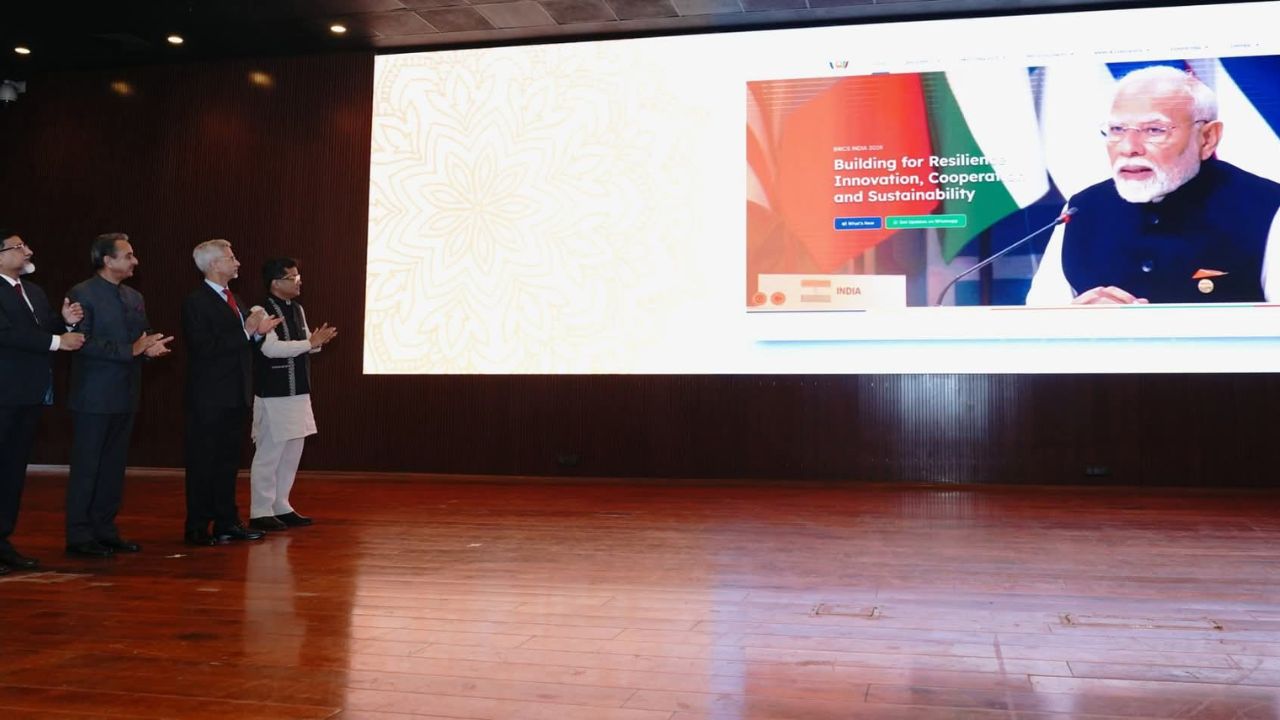
Alongside the logo, Mr Jaishankar also launched the official BRICS 2026 website, which will serve as a central hub for information on initiatives, projects, events and key documents during India’s tenure.
The digital platform is designed to support people-centric engagement, making updates on BRICS programmes, sectoral meetings and policy outcomes easily accessible to stakeholders and the wider public.
India’s Focus On Inclusive Global Order
Outlining India’s priorities, the External Affairs Minister emphasised that the country’s leadership will focus on advancing global welfare and shaping a more inclusive international order as BRICS completes two decades in 2026.
Officials said the logo and theme reflect India’s emphasis on cooperation, mutual respect and solidarity, alongside a push for more representative and reformed multilateral institutions.
BRICS: From Bloc Of 5 To Economic Powerhouse Of 11
BRICS, originally comprising Brazil, Russia, India, China and South Africa, has evolved into a formidable coalition of 11 member states. The grouping now accounts for approximately 49.5 per cent of the world’s population, around 40 per cent of global GDP and nearly 26 per cent of global trade.
What began as BRIC in the 2000s formally took shape through meetings in 2006. South Africa joined in 2011, transforming it into BRICS. The grouping underwent its most significant expansion in 2024-25, welcoming Egypt, Ethiopia, Iran, the UAE and Indonesia as full members. Several other countries have also joined as partner nations, further expanding BRICS’ global footprint.
As India takes the helm of this influential grouping, all eyes will be on how New Delhi steers the bloc’s agenda in an increasingly multipolar world order.
About the Author
