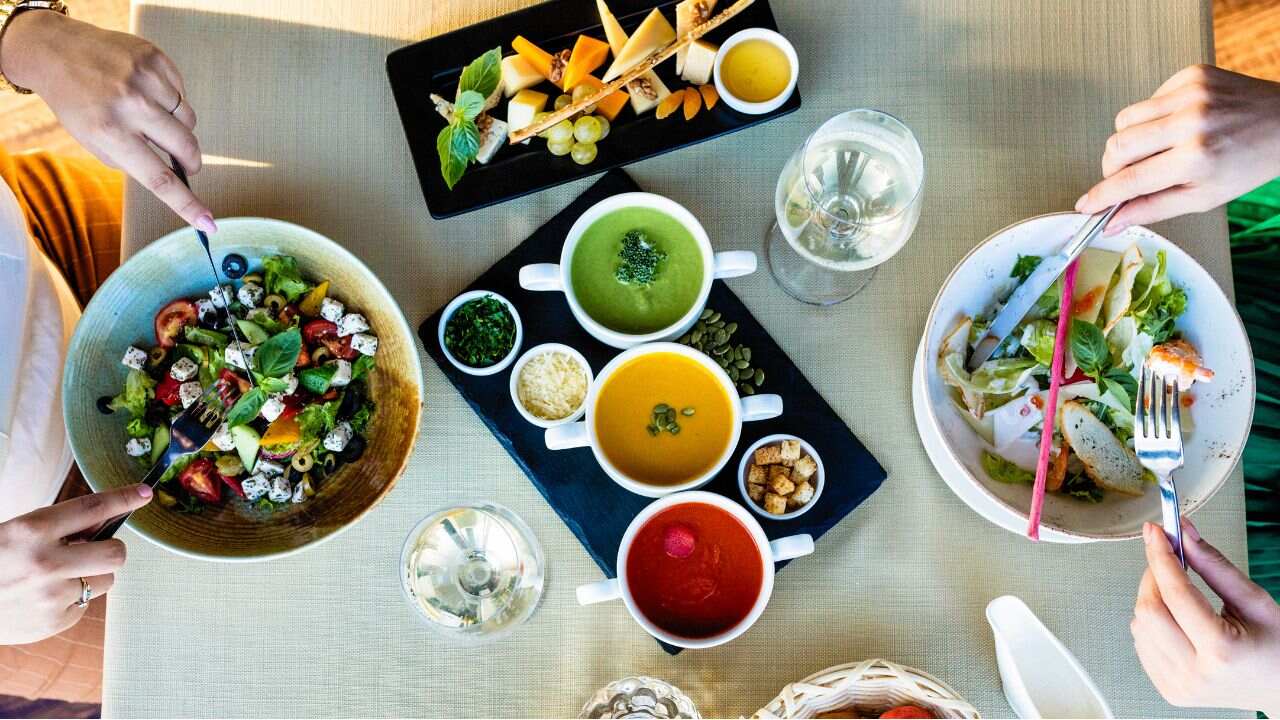
As the seasons change, our bodies quietly adjust to new rhythms. The air feels different, mornings grow cooler or warmer, digestion shifts, immunity is tested, and energy levels fluctuate. In India, elders have long believed that what we eat should change with the weather. The wisdom behind this belief is simple but powerful: seasonal eating keeps the body balanced, resilient, and healthy.
In a fast-paced world of packaged food and fixed diets, this traditional understanding feels more relevant than ever.
Eating With the Season: A Forgotten Habit
Seasonal transitions are often when people fall sick. Coughs appear, digestion slows down, allergies flare up, or fatigue sets in. This is not coincidence. Our bodies need support when temperatures, humidity, and daylight change. Seasonal foods naturally provide that support.
Fresh fruits and vegetables available during a particular season are richer in nutrients our bodies need at that time. Winter greens warm the system, summer fruits cool it, and monsoon produce supports immunity and digestion. Eating seasonal food is not a trend. It is instinctive healthcare.
Fresh Fruits and Vegetables: Nature’s First Line of Defence
Including seasonal fruits and vegetables in daily meals is one of the easiest ways to stay healthy. Fresh produce is packed with vitamins, minerals, fibre, and antioxidants that strengthen immunity and improve digestion.
For example, citrus fruits support immunity during seasonal changes, leafy vegetables improve gut health, and root vegetables provide sustained energy. When food is fresh and locally grown, it is not only healthier but also easier for the body to absorb.
Hydration is Not Optional
People often forget to drink enough water when the weather cools, and overdo sugary drinks when it gets warmer. Both can disturb the body’s balance.
Staying hydrated is essential in every season. Plain water is best, but traditional options like warm water, herbal teas, buttermilk, or lightly spiced drinks also help. In summer, cooling drinks such as lemon water or infused water keep the body refreshed. In winter, warm fluids support digestion and circulation.
Listening to thirst cues and spreading water intake through the day makes a noticeable difference in energy and focus.
Light, Home-Cooked Meals Matter More Than Ever
During seasonal transitions, heavy, oily, and overly processed food can burden digestion. This is when the body benefits most from light, freshly cooked meals.
Simple dishes made with grains, pulses, vegetables, and mild spices nourish without overwhelming the system. Foods like khichdi, dal, soups, vegetable curries, and steamed dishes are gentle yet fulfilling. Home-cooked meals also reduce exposure to excess salt, sugar, and preservatives that weaken immunity over time.
Be Mindful of What You Avoid
Seasonal health is not just about what you eat, but also what you limit. Excessively spicy, fried, stale, or packaged foods can trigger acidity, bloating, and inflammation, especially when the body is already adjusting to weather changes.
Street food and junk food may be tempting, but moderation is key. Choosing freshness and balance over indulgence helps prevent seasonal illnesses before they start.
Strengthening Immunity Through Everyday Foods
You do not need expensive supplements to support immunity. Indian kitchens already hold powerful ingredients. Turmeric, ginger, garlic, tulsi, black pepper, honey, and seasonal herbs have been used for generations to strengthen resistance against infections.
Including these ingredients in daily cooking or simple home remedies can quietly build resilience. Even small habits, repeated consistently, make a lasting impact.
A Slower, More Conscious Way of Eating
Seasonal eating is also about slowing down. Eating warm food on time, chewing properly, and respecting hunger signals brings a sense of rhythm back into daily life. Meals become moments of care rather than rushed routines.
As seasons change, the body asks for attention, not perfection. A little mindfulness, a few thoughtful food choices, and trust in traditional wisdom can go a long way.
In the end, healthy eating is not about strict rules. It is about harmony. When we eat with the season, we allow nature to guide our well-being. And sometimes, that is the most sustainable form of health we can choose.
About the Author
