
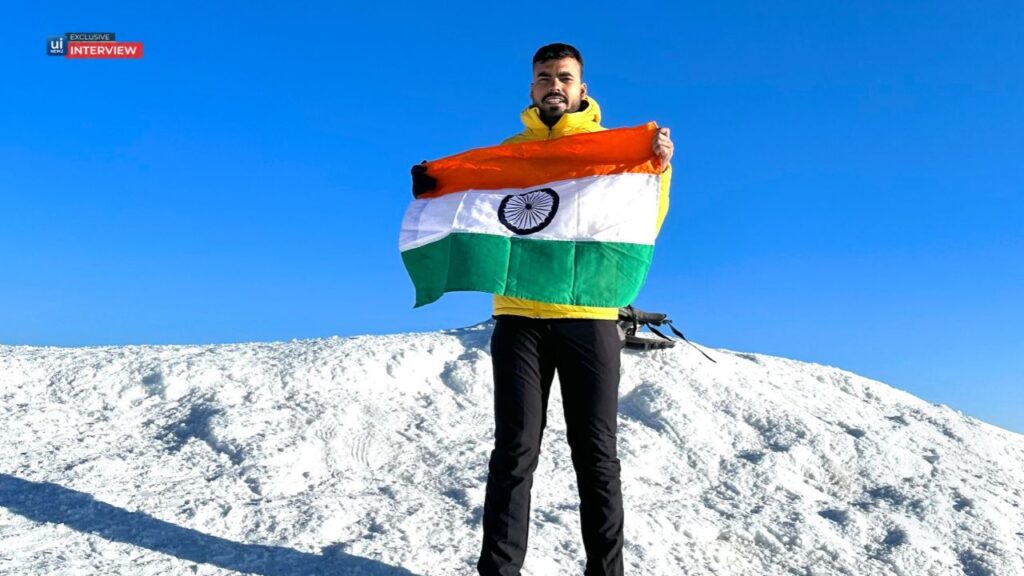


There are two kinds of mountains in Nitish Singh’s story. One kind is made of rock and ice. The other is made of circumstances.
Singh comes from Gorakhpur, Uttar Pradesh. In 1999, his father, a Lance Naik in the Indian Army, lost his life while serving the nation in Assam. His mother raised five children through hard financial times. Part of his childhood was spent at Army School in Roorkee, and on the journeys between home and school, he fell in love with the mountains.
Passion alone did not pay for expeditions. At Kirori Mal College, Delhi University, he sold clothes near the campus and sold his camera to raise money for climbing. The college adventure club had earlier turned him down.
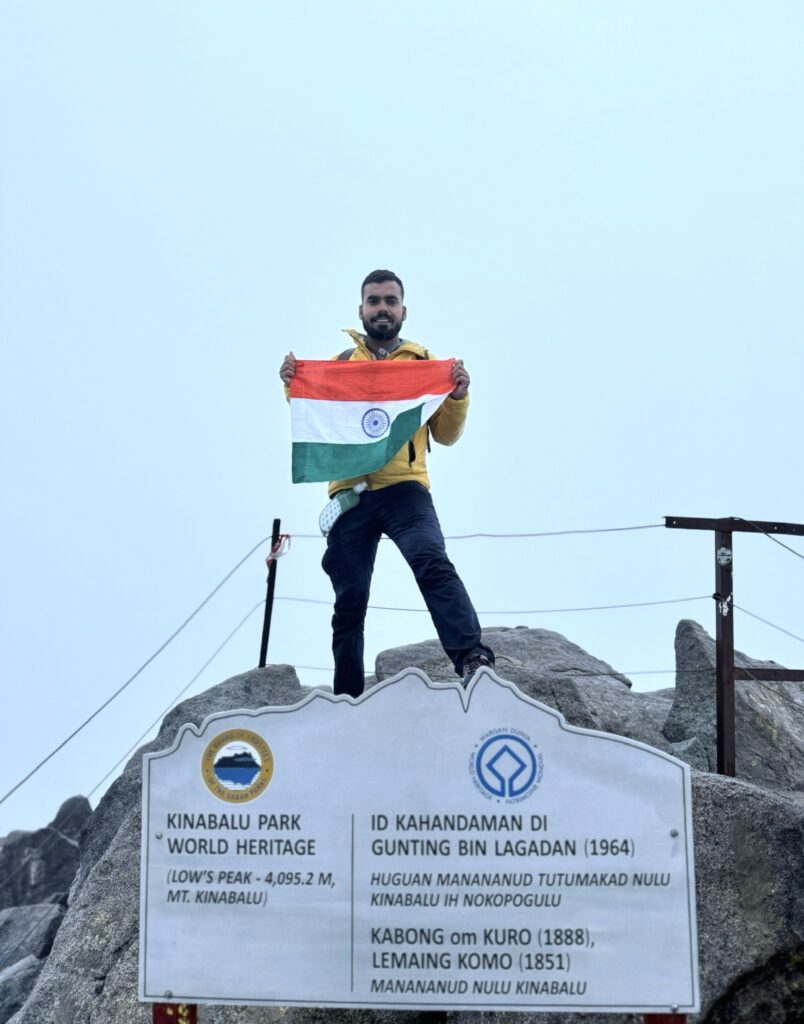
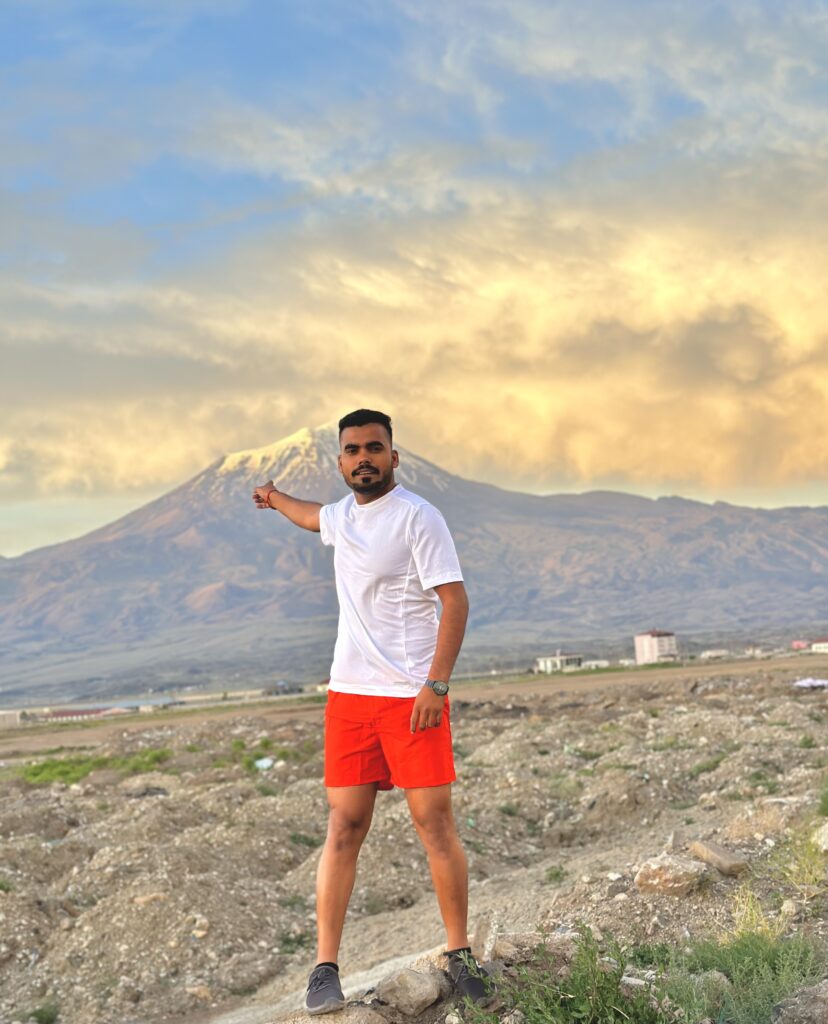
He did not give up. On 26 January 2021, Republic Day, he summited Mount Kilimanjaro, Africa’s highest peak, and hoisted the Indian Tricolour. Since then, he has climbed Mount Elbrus in Europe, Mount Meru in Tanzania, Mount Ararat in Turkey and Mount Kinabalu in Malaysia, and has linked many of these climbs to causes such as child rights, menstrual hygiene, transgender inclusion and the environment. He calls this philosophy “Climbing for a Cause”.
Singh has recently taken charge as President of the Uttar Pradesh Sports Climbing Association, with his sights set on conquering Mount Everest and completing the Seven Summits. In this conversation with UI NEWZ, he reflects on his journey, the toughest challenges he has faced on the mountains, and his vision for creating opportunities for aspiring climbers from smaller towns.
Q1. Your journey from Gorakhpur to scaling some of the world’s prominent mountain peaks is remarkable. What initially inspired you to pursue mountaineering, and what were the biggest challenges you faced while turning this passion into an international pursuit?
My journey is not just a story of climbing mountains; it is a story of overcoming circumstances.
I belong to Gorakhpur, Uttar Pradesh. My father was a Lance Naik in the Indian Army and lost his life while serving the nation in Assam in 1999. I was very young when we lost him. After his demise, my mother took responsibility for raising five children while dealing with significant financial challenges.
I spent part of my childhood at Army School in Roorkee, where I developed an attraction towards mountains during my journeys between home and school. The mountains always fascinated me. Later, travelling to Uttarakhand and Himachal Pradesh made me realise that mountaineering was something I wanted to pursue seriously.
However, passion alone does not make a dream achievable. Financial limitations were one of the biggest challenges of my life. During my college days at Kirori Mal College, Delhi University, I even sold clothes near the college and sold my camera to arrange money for my mountaineering ambitions. I was also rejected when I initially tried to join the college’s adventure club.
There were moments when I had the determination to climb but not the financial resources to make it happen.
My international journey took a significant turn on 26 January 2021, when I summited Mount Kilimanjaro, Africa’s highest mountain, and hoisted the Indian Tricolour. That moment gave me the confidence that a young man from Gorakhpur could represent India on international mountains.
Since then, I have continued my journey across different countries, taking on challenging expeditions and connecting them with meaningful social causes.
I believe your birthplace, financial background or circumstances should never decide how far you can go. Sometimes, the most extraordinary journeys begin with the most ordinary resources.
Q2. You have consistently connected your mountaineering expeditions with social causes, including child rights, menstrual hygiene, transgender inclusion and environmental awareness. What inspired you to adopt the philosophy of “Climbing for a Cause”, and how do you ensure that these campaigns translate into meaningful social impact?
The philosophy of Climbing for a Cause comes from a belief that personal achievements become more meaningful when they contribute to society.
I have always felt that reaching a mountain summit should not be the only objective of an expedition. If I am getting an opportunity to represent India, attract media attention and reach people through my achievements, why should I not use that platform to highlight issues that deserve attention?
One of the biggest inspirations behind this philosophy is something my father used to say:
“Aap apne liye toh hamesha karoge, par dusro ke liye karoge toh kuch haasil karoge.”
That thought has stayed with me throughout my life.
I have dedicated different mountaineering expeditions to causes such as child rights, transgender inclusion, menstrual hygiene, and environmental awareness.
One of the most meaningful initiatives was Project Bala, associated with my Mount Elbrus expedition. Through a collaboration with an NGO, the campaign facilitated the distribution of 5,642 sanitary pads to children in Gorakhpur, corresponding to the mountain’s elevation of 5,642 metres.
Similarly, during my Mount Kilimanjaro expedition, I highlighted the dignity and inclusion of the transgender community and dedicated the achievement to transgender leader Kiran Nand Giri.
For me, these initiatives are not about creating headlines. They are about using an unconventional platform to initiate conversations around issues that often remain overlooked.
I understand that climbing a mountain cannot solve a social problem by itself. Real impact requires sustained work, awareness, community participation, and collaboration with organisations.
My objective is to make every expedition carry a purpose beyond the summit. I want people to remember not only the mountain I climbed but also the cause I stood for.
Q3. Having scaled challenging international peaks such as Mount Kilimanjaro, Mount Elbrus, Mount Meru and Mount Ararat, what have been some of your most defining experiences? How have these expeditions transformed your understanding of leadership, resilience and life?
Every mountain has given me a different experience and a different perspective on life.
Mount Kilimanjaro will always remain special because I summited it on Republic Day, 26 January 2021, and hoisted the Indian Tricolour at the highest point of Africa.
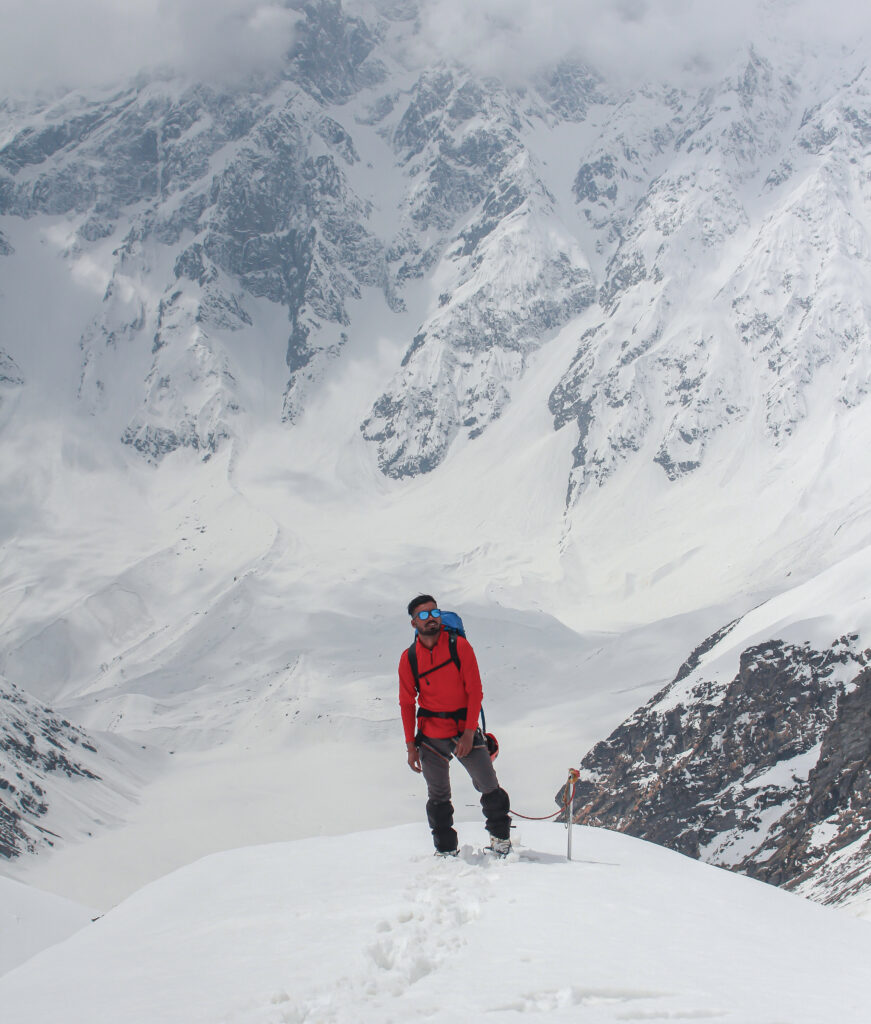
Mount Elbrus, Europe’s highest mountain, gave me one of the most challenging experiences of my mountaineering career. During the summit attempt, I faced a serious oxygen-related situation. It was a moment when I understood how unpredictable mountains can be and how important physical preparation, mental strength, and decision-making are.
Mount Meru in Tanzania was another important milestone. I reached its summit in December 2022 after a demanding climbing journey.
Then came Mount Ararat in Turkey, which I summited on 24 July 2023. The expedition tested my endurance and determination, particularly because of the challenging conditions.
Mount Kinabalu in Malaysia, which I climbed on 9 July 2024 in 19 hours, was another memorable achievement.
However, I have also experienced unsuccessful moments. My Mount Bazardüzü attempt in Azerbaijan had to be abandoned because of a leg injury. That experience taught me that reaching the summit is not always the most important decision. Sometimes returning safely is the real achievement.
Mountaineering has changed the way I understand leadership. At high altitude, your designation, reputation, and past achievements do not matter. What matters is your preparation, discipline, ability to make decisions, and responsibility towards yourself and your team.
The mountains have taught me humility. They have taught me that resilience does not mean never failing. It means learning from failure and finding the courage to continue.
I have realised that the biggest mountains we climb are often the ones that exist within our own lives.
Q4. You have recently taken charge as the President of the Uttar Pradesh Sports Climbing Association. What are your key priorities in this new role, and what initiatives do you envision to develop sports climbing, identify emerging talent, and provide better opportunities for young climbers across Uttar Pradesh?
Taking responsibility as the President of the Uttar Pradesh Sports Climbing Association, recognised by the Uttar Pradesh Olympic Association, is an important milestone in my journey. More importantly, I see it as an opportunity to contribute to the future of sports in my state.
Having come from Gorakhpur and experienced the difficulties of pursuing an unconventional sport without sufficient resources, I understand how much talent remains undiscovered in smaller cities and rural areas.
My vision is to make sports climbing more accessible, organised, and competitive across Uttar Pradesh.
I want to focus on grassroots development by introducing climbing awareness and participation programmes in schools, colleges and universities. We need to take the sport beyond major cities and create opportunities at the district level.
Another priority is developing a structured talent identification system through district and state-level competitions. Young athletes should have opportunities to demonstrate their abilities and progress towards national-level competitions.
Infrastructure is equally important. We need to encourage the development of modern climbing walls, training facilities and coaching opportunities.
I also want to focus on developing coaches, technical officials and athletes through workshops, training programmes and institutional collaborations.
Special attention should be given to girls and young people from economically weaker backgrounds who may have the talent but lack access to sporting facilities.
My ambition is to see athletes from Uttar Pradesh compete successfully at national and international levels. I want to build an ecosystem where a young person does not have to leave their dreams behind simply because they were born in a small town or come from a financially weaker family.
For me, this responsibility is not about holding a position. It is about creating a sporting legacy that continues even after my tenure.
Q5. Mountaineering and adventure sports in India still face challenges related to accessibility, infrastructure, financial support, and institutional recognition. What changes are needed to build a stronger mountaineering ecosystem and encourage greater participation among young people, particularly those from smaller cities and rural backgrounds?
India has extraordinary geographical diversity, enormous youth potential, and a strong tradition of adventure. However, mountaineering and adventure sports still need greater accessibility, institutional support and public recognition.
One of the biggest challenges is financial accessibility. Mountaineering requires specialised equipment, professional training, travel, expedition logistics, and considerable preparation. For a young person from an economically weaker family, these expenses can become a major barrier.
I have personally experienced this challenge. I know what it feels like to have the determination to climb but struggle to arrange the resources.
I believe we need a more structured approach.
Government institutions and corporate organisations should introduce scholarships, sponsorship programmes and expedition grants for deserving athletes.
Educational institutions should promote outdoor education, adventure activities and basic climbing programmes. We should also develop more accessible climbing infrastructure across the country.
Institutional collaboration between sports associations, mountaineering organisations, schools, universities and government departments can create a stronger foundation.
We also need greater recognition of adventure sports as a means of youth development. Mountaineering develops leadership, discipline, teamwork, resilience and environmental responsibility.
My belief is that talent is not limited to metropolitan cities. There are talented young people in Gorakhpur, Kushinagar, Deoria and thousands of other smaller towns who simply need the right opportunities.
I want India to move towards a system where financial background does not determine whether someone gets an opportunity to represent the country.
Q6. Your journey also demonstrates how individual initiatives can bring attention to issues that often remain overlooked. In your opinion, how can sports personalities, adventure athletes and youth leaders use their platforms and achievements to promote social responsibility, national development and positive behavioural change?
I believe recognition is not just a privilege; it is a responsibility.
When people start recognising you for your achievements, you receive a platform and an opportunity to influence others. The important question is how you choose to use that influence.
Sports personalities and adventure athletes have the ability to inspire people because their journeys involve sacrifice, discipline, commitment, and overcoming difficult circumstances.
But I believe their responsibility should go beyond winning medals, setting records, or building personal brands.
They can use their achievements to promote education, environmental conservation, gender equality, health awareness, social inclusion and national unity.
For example, when I climb an international mountain and carry the Indian Tricolour, I feel a sense of national pride. But I also want that achievement to carry a message that contributes to society.
Through Climbing for a Cause, I have tried to demonstrate that sports and social responsibility can work together.
I also believe young leaders should focus on grassroots action. Social media can create awareness, but real change happens when people engage with communities, collaborate with organisations, and work consistently towards solutions.
Sports can play a major role in nation-building because it teaches young people to respect others, work as a team, remain disciplined, and face challenges with courage.
My philosophy is simple: if your achievements can inspire people, your actions should also create value for people.
I do not want to be remembered only as a mountaineer who climbed international peaks. I want to be remembered as someone who used those achievements to encourage young people and contribute towards positive social change.
Q7. What are your future mountaineering ambitions and social initiatives? What message would you like to share with young Indians who aspire to pursue unconventional careers, overcome financial or social barriers and contribute to society through their passion and abilities?
My journey is far from over. In fact, I feel that I am only getting started.
As an international mountaineer, one of my biggest ambitions is to continue representing India on challenging international mountains and work towards my long-term dream of summiting Mount Everest and eventually exploring the world’s Seven Summits.
Through Parvatam Expedition, I also want to create opportunities for more Indians to experience mountaineering and adventure tourism in a safe, professional, and meaningful way.
At the same time, my responsibility as President of the Uttar Pradesh Sports Climbing Association allows me to work towards developing the next generation of climbers in my state.
I want to build initiatives that support young athletes, particularly those who have talent but lack financial resources, guidance, or exposure.
I also want to expand my social initiatives through collaborations with educational institutions, NGOs, corporates, and government organisations so that my expeditions can continue to carry meaningful messages.
If there is one message I want to give young Indians, it is this: never allow your circumstances to become the boundaries of your dreams.
I come from a small town. I have experienced financial struggles, rejection, uncertainty, and situations where even arranging money for an expedition was difficult.
I have sold clothes and sacrificed personal belongings to pursue my dreams. I have faced situations where the destination was clear, but the resources to reach it were not.
But I never wanted to give up simply because the journey was difficult.
I want young people to understand that unconventional careers require extraordinary patience, discipline, and commitment. You may not always receive support, and you may have to create your own opportunities.
But never stop learning, never compromise on your values, and never forget the people who supported you when you had nothing.
My journey has taught me that success is not simply about how high you climb. It is also about how many people you inspire to rise.
I started my journey with limited resources, but I never wanted to have limited dreams. Today, I want to climb higher mountains, but more importantly, I want to help others believe that they too can rise beyond their circumstances.
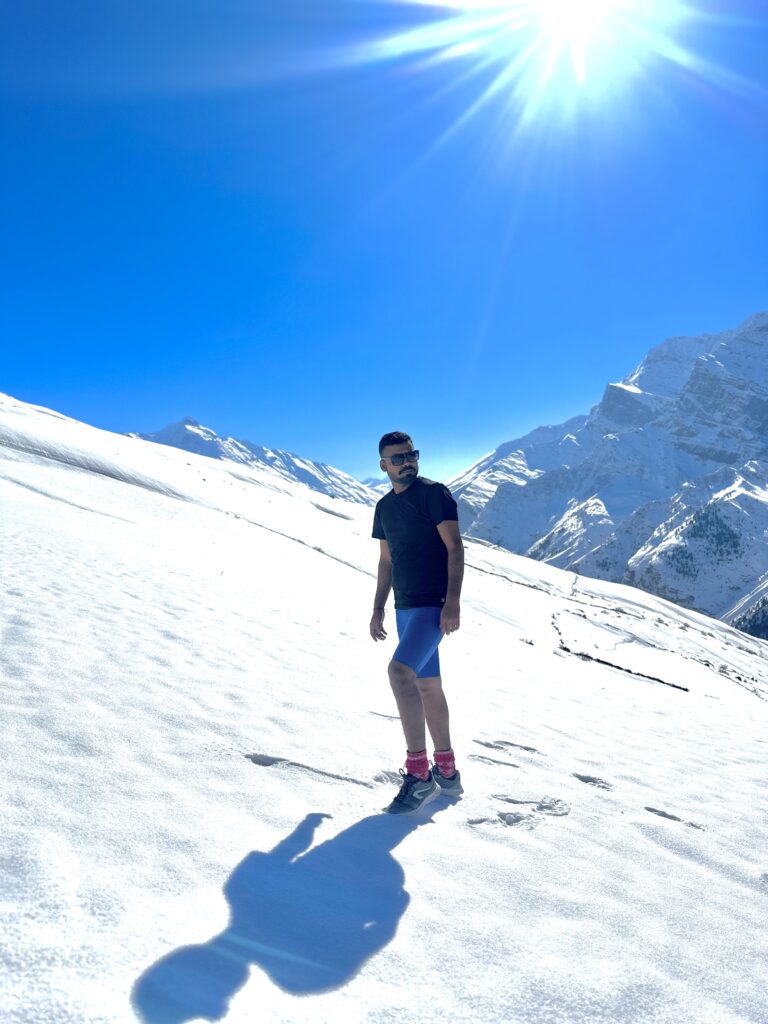
Beyond the Summit: A Journey That Inspires Others to Rise
Nitish Singh has stood on the highest points of Africa, Europe, and beyond, but he measures his journey differently. For him, the summit is only part of the story. What counts is who gets to start the climb, and what the climb is for.
His own start was hard: a father lost young, a mother raising five children, a camera and clothes sold to buy a chance. Now, as head of the state’s sports climbing body, he wants to make that start easier for the next young person in Gorakhpur, Kushinagar or Deoria.
His message to them is plain: do not let your circumstances become the boundaries of your dreams. And, as his father taught him, the things we do for others are the ones that last.
At UI NEWZ, we believe every story deserves to be heard. We bring you the voices, achievements and ideas that inform, inspire and make a difference, from local initiatives and emerging talent to enterprise, culture and community change. If you know someone whose journey deserves the spotlight, or have a story of your own to share, write to us at info.uinewz@gmail.com.