
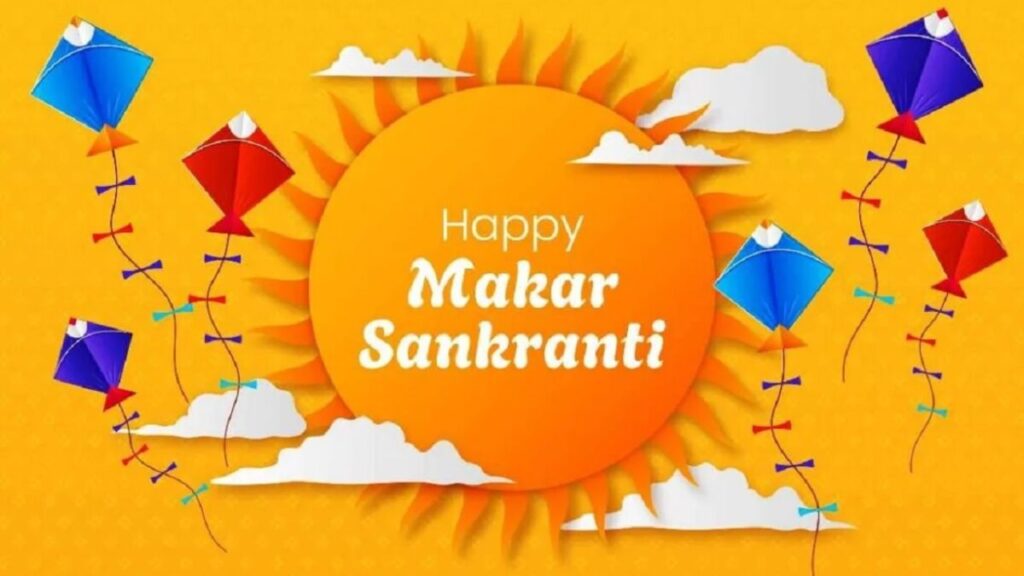


Makar Sankranti, one of the most widely celebrated festivals in India, marks a unique blend of astronomical significance, agricultural gratitude, and cultural tradition. Observed every year in mid-January, the festival signifies the sun’s transition into the Makara (Capricorn) zodiac sign, an event believed to herald the end of winter and the beginning of longer, warmer days. In 2026, Makar Sankranti will be celebrated on Wednesday, January 14, bringing with it a sense of renewal, optimism, and festive cheer across the country.
Unlike many Hindu festivals that follow the lunar calendar, Makar Sankranti is governed by the solar calendar, which is why it falls on a fixed date each year. The festival also marks the beginning of Uttarayan, the sun’s northward journey, considered highly auspicious in Hindu belief. This transition symbolises progress, clarity, and spiritual upliftment, making the day especially significant for prayers, charity, and new beginnings.
Cultural and Regional Celebrations
Makar Sankranti is celebrated under different names and forms across India, reflecting the country’s rich cultural diversity. In Tamil Nadu, it is observed as Pongal, a four-day harvest festival expressing gratitude to the sun, cattle, and nature. In Gujarat and Rajasthan, the skies come alive with colourful kites, symbolising freedom, joy, and aspiration. In Punjab and Haryana, Lohri celebrations the night before Sankranti honour the harvest and the warmth of community bonfires. Assam celebrates Magh Bihu, while in Maharashtra and Karnataka, families exchange sweets made of sesame seeds and jaggery, known as tilgul, to promote harmony and goodwill.
Despite regional variations, the underlying spirit remains the same — thanksgiving for the harvest, reverence for nature, and hope for prosperity in the coming season.
Spiritual and Social Significance
Makar Sankranti is considered an auspicious time for acts of charity, including donating food, clothes, and essentials to those in need. Many devotees take holy dips in rivers such as the Ganga, Yamuna, and Godavari, believing it purifies the soul and brings spiritual merit. The festival also emphasises discipline, perseverance, and alignment with positive intent, values that resonate deeply in both spiritual and everyday life.
The tradition of sharing sweets made from sesame and jaggery carries symbolic meaning. Sesame is believed to ward off negativity, while jaggery represents sweetness and warmth — together encouraging people to speak kindly, strengthen relationships, and move forward with compassion.
Wishes, Greetings, and Messages
As Makar Sankranti 2026 approaches, families and friends are exchanging heartfelt wishes to mark the occasion. Messages often reflect themes of prosperity, health, growth, and new opportunities, mirroring the festival’s symbolism of renewal and light. From simple greetings wishing happiness and success to thoughtful quotes about change, effort, and gratitude, these messages serve as reminders of shared values and collective hope.
Whether shared through greeting cards, messages, or social media, Sankranti wishes continue to play an important role in keeping loved ones connected, especially in today’s fast-paced digital world.
A Festival of Hope and Renewal
At its core, Makar Sankranti is more than a harvest festival or an astronomical event. It is a celebration of transition — from cold to warmth, from darkness to light, and from stagnation to progress. As the sun begins its northward journey, the festival encourages individuals to reflect, realign goals, and welcome positive change with gratitude and determination.
As India prepares to celebrate Makar Sankranti on January 14, 2026, the festival once again offers an opportunity to pause, give thanks, and step forward with renewed energy, optimism, and purpose.