
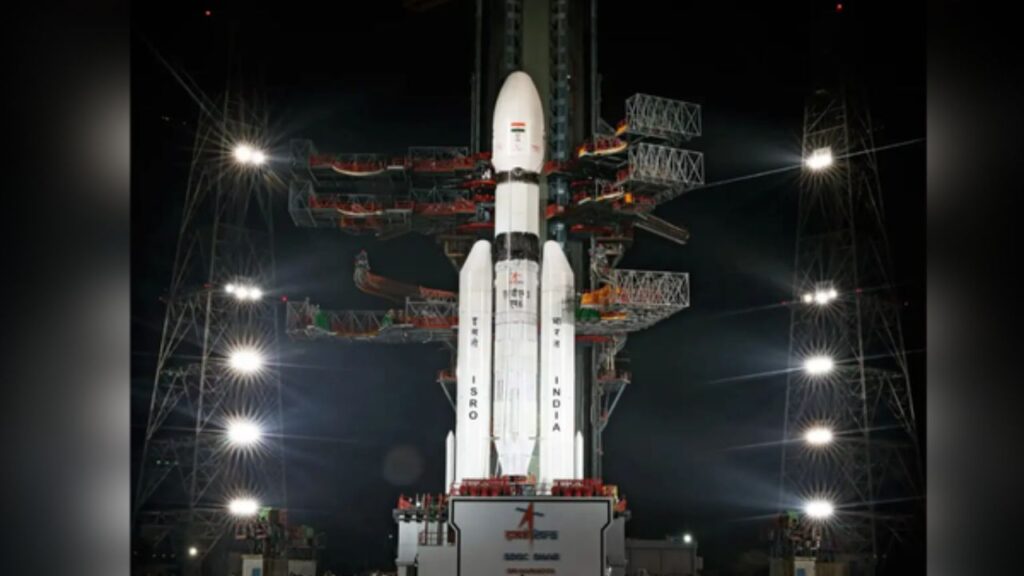


India’s heavy-lift launch vehicle LVM3 is gearing up for its sixth operational mission, LVM3-M6, marking another significant milestone for the Indian Space Research Organisation (ISRO) in the global commercial launch market. The upcoming mission is a dedicated commercial flight that will carry the BlueBird Block-2 communication satellite of US-based company AST SpaceMobile into Low Earth Orbit (LEO).
LVM3, formerly known as Gaganyaan Mark-3, is ISRO’s most powerful operational launch vehicle. The three-stage rocket features two massive solid strap-on boosters (S200), a liquid-fuelled core stage (L110), and a cryogenic upper stage (C25). Standing 43.5 metres tall with a lift-off mass of about 640 tonnes, the vehicle is capable of placing payloads weighing up to 4,200 kg into Geosynchronous Transfer Orbit (GTO).
Over the years, LVM3 has built a strong track record with several high-profile missions. It has successfully launched Chandrayaan-2 and Chandrayaan-3, India’s ambitious lunar exploration missions, and has also deployed two batches of OneWeb satellites, carrying a total of 72 spacecraft for global broadband connectivity. The rocket’s most recent flight, LVM3-M5 carrying the CMS-03 satellite, was completed successfully on November 2, 2025.
The LVM3-M6 mission stands out for several reasons. It will place the BlueBird Block-2 satellite into Low Earth Orbit, making it the largest commercial communications satellite ever deployed in LEO. It is also expected to be the heaviest payload launched by LVM3 from Indian soil so far, underlining the rocket’s growing capabilities and reliability.
BlueBird Block-2 satellites represent the next generation of AST SpaceMobile’s space-based cellular network. Designed to connect directly with standard mobile smartphones, these satellites aim to provide broadband cellular coverage across the globe, including remote and underserved regions where terrestrial networks are limited or unavailable.
With LVM3-M6, ISRO further strengthens its position as a trusted launch service provider for international customers. The mission not only showcases India’s advanced launch vehicle technology but also highlights the country’s expanding role in supporting next-generation satellite communication systems worldwide.