
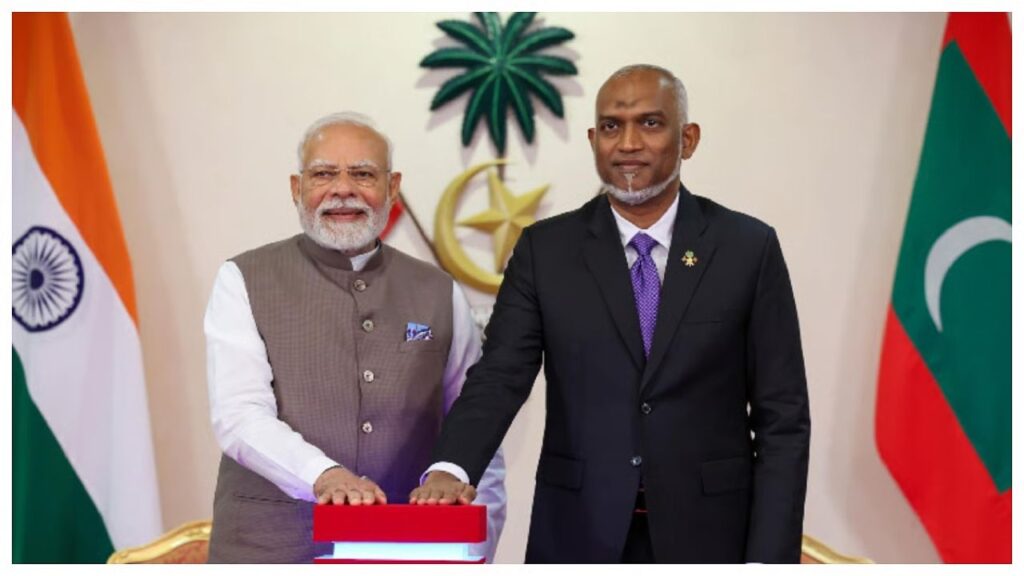


India has taken a significant step toward expanding its global trade footprint by initiating formal negotiations with the Philippines and the Maldives under newly signed Terms of Reference (ToR). The initiative, led by the Commerce Ministry, aims to strengthen economic cooperation, boost bilateral trade, and create new opportunities for businesses in all three countries.
Under this framework, India will pursue a Preferential Trade Agreement (PTA) with the Philippines and a Free Trade Agreement (FTA) with the Maldives. These agreements are designed to improve market access, reduce trade barriers, and encourage long-term economic collaboration.
India–Philippines PTA Talks Begin
India and the Philippines have officially launched discussions for a Preferential Trade Agreement following the signing of the ToR. A PTA typically focuses on reducing or eliminating import duties on a selected list of goods traded between the participating nations. By lowering tariffs on specific products, such agreements aim to make trade more affordable and competitive for businesses on both sides.
Trade relations between India and the Philippines have shown consistent growth over recent years. According to government data, India’s exports to the Philippines rose by 3.11 percent, reaching $2.16 billion in the financial year 2024–25. Meanwhile, imports from the Philippines declined by 17.8 percent to $1.17 billion during the same period.
Officials believe that the proposed PTA will further strengthen these trade ties by providing targeted benefits in key sectors. It is expected to open new avenues for Indian exporters while also enhancing access to Filipino goods in the Indian market.
India–Maldives FTA Negotiations Underway
Alongside the Philippines pact, India has also begun negotiations with the Maldives for a comprehensive Free Trade Agreement. Unlike a PTA, an FTA generally covers a much broader spectrum of goods and services, aiming to significantly reduce or eliminate tariffs across most categories.
The proposed FTA with the Maldives is expected to go beyond goods and include provisions related to trade in services, investment flows, and regulatory cooperation. By simplifying procedures and reducing barriers, the agreement seeks to create a more seamless and predictable trading environment.
Recent trade data highlights the need for renewed engagement. India’s exports to the Maldives declined sharply by 37.11 percent to $56.88 million in 2024–25. In contrast, imports from the Maldives increased by 37.14 percent to $118.82 million. Policymakers view the FTA as a strategic tool to rebalance trade and unlock untapped economic potential between the two nations.
Understanding PTA vs FTA
The distinction between a PTA and an FTA is central to understanding India’s approach in these negotiations. A Preferential Trade Agreement offers limited tariff reductions on selected goods, providing partner countries with preferential access without fully liberalizing trade.
In contrast, a Free Trade Agreement is far more comprehensive. It typically involves the removal or substantial reduction of tariffs on a wide range of goods and services. FTAs also often address non-tariff barriers, investment rules, and regulatory standards, making them deeper and more integrated trade arrangements.
Strategic Push for Global Trade Integration
India’s decision to simultaneously pursue a PTA and an FTA reflects a calibrated strategy tailored to the economic dynamics of each partner country. While the PTA with the Philippines allows for gradual expansion in trade, the FTA with the Maldives signals a more ambitious effort to deepen economic integration.
As global trade continues to evolve, such agreements are expected to play a crucial role in enhancing India’s competitiveness and strengthening its position in regional and international markets. If successfully concluded, these negotiations could mark a new chapter in India’s economic diplomacy and contribute to sustained trade growth in the coming years.