


Delhi experienced a cold start to Tuesday, January 27, 2026, with minimum temperatures dipping across the city and unsettled weather conditions setting in. According to the India Meteorological Department (IMD), the minimum temperature at Safdarjung — the city’s base weather station — was recorded at 8 degrees Celsius, which is slightly below the seasonal average by 0.4 degrees.
Several other parts of the capital also reported similar chilly conditions. Palam recorded a minimum of 9.2 degrees Celsius, Lodhi Road saw 8.4 degrees, the Ridge area registered 8.7 degrees, while Ayanagar noted 8.2 degrees Celsius. The drop in temperature was accompanied by cloudy skies, signalling a change in weather patterns across the region.
The IMD has predicted a generally overcast day with one or two spells of light rain during the early morning hours extending into the forenoon. These showers are likely to be accompanied by thunderstorms, lightning, and gusty winds with speeds ranging between 30 and 40 kilometres per hour. The department further stated that similar conditions may continue during the forenoon and afternoon.
In light of the forecast, a yellow alert has been issued for Delhi. The alert advises residents to remain cautious as thunderstorms and strong winds could cause minor disruptions. People have been urged to stay indoors during lightning activity and be careful while commuting, particularly in areas prone to waterlogging or falling debris.
The maximum temperature for the day is expected to settle around 19 degrees Celsius, keeping the city relatively cool throughout the day. While the rain spells may bring brief relief from dry winter conditions, they could also lead to traffic slowdowns during peak hours.
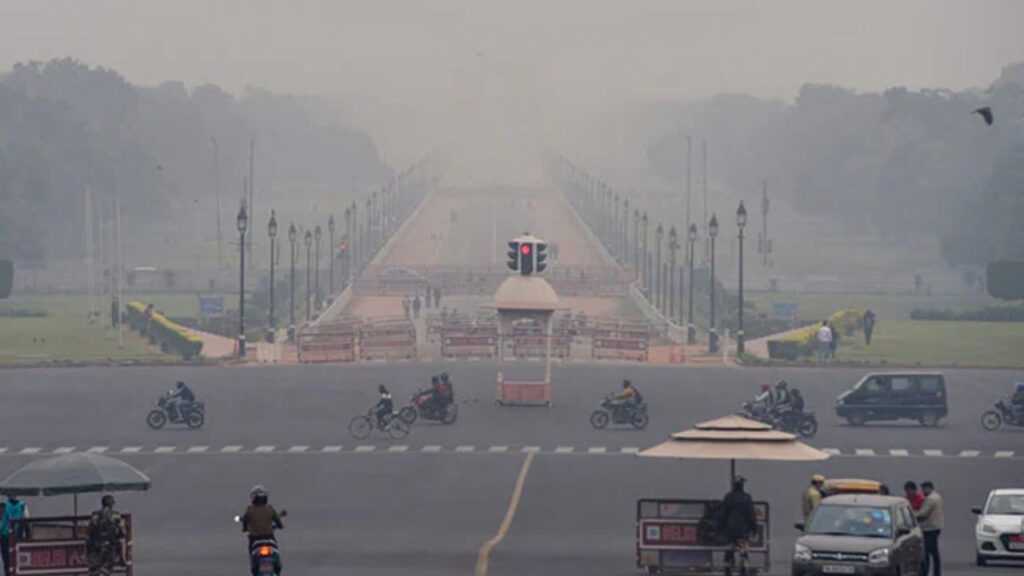
Alongside the changing weather, Delhi’s air quality has worsened once again after showing short-term improvement. The Air Quality Index (AQI) was recorded at 300, placing it in the ‘poor’ category. Data from the SAMEER air quality monitoring app indicated that pollution levels varied across different areas of the city.
Out of the total monitoring stations, 23 reported ‘very poor’ air quality, suggesting high concentrations of harmful particulate matter. Thirteen stations were in the ‘poor’ range, while only three stations recorded ‘moderate’ air quality levels. The spike in pollution is attributed to unfavourable meteorological conditions such as low wind speeds and increased humidity, which prevent pollutants from dispersing.
Experts explained that although rainfall can sometimes help clear pollutants from the air, light rain combined with high moisture content may also trap pollutants near the surface, causing temporary deterioration in air quality. Vulnerable groups, including children, senior citizens, and people with respiratory illnesses, have been advised to avoid prolonged outdoor activities.
Delhi continues to struggle with fluctuating air quality levels during the winter season, when pollution often intensifies due to temperature inversions and increased emissions from vehicles, construction, and biomass burning in surrounding regions.
Authorities have once again emphasized the importance of adhering to pollution control measures and reducing unnecessary emissions. Residents have been encouraged to use public transport, avoid open burning, and stay updated with official advisories.
As the city deals with cold temperatures, intermittent rainfall, and worsening air quality, Tuesday is expected to be a day of mixed weather conditions. Commuters are likely to face delays due to rain and gusty winds, while health experts urge caution amid rising pollution levels.
Overall, Delhi’s weather on Tuesday reflects the dynamic nature of winter in the capital, bringing together chilly mornings, brief rain spells, and renewed concerns over air pollution.