


In the fragile ecosystems of the Himalayas, even everyday household activities can quietly turn into public health challenges. Grey water- the wastewater released from kitchens, bathing, and washing- often flows untreated through village pathways in rural Uttarakhand and Himachal Pradesh. When left stagnant, it creates breeding grounds for disease, contaminates soil, and undermines the health of entire communities.
For years, managing grey water remained a neglected issue in many mountain villages, overshadowed by the larger challenge of drinking water access. But as household water availability improved, the absence of drainage and treatment systems began to pose new risks- prompting a shift in focus from access alone to safe water management.
Aligning institutions with community action
To address this growing concern, Tata Trusts, through its partner Himmotthan Society, has been implementing Water, Sanitation and Hygiene (WaSH) programmes across the central Himalayan region. The initiative spans 320 villages across Uttarakhand, Himachal Pradesh, and Leh.
Since August 2021, the programme has been implemented in partnership with the Jal Jeevan Mission, to ensure not just water supply, but sustainable and safe water use at the household and community level. Grey water management has emerged as a critical component of this effort.
Awareness before infrastructure
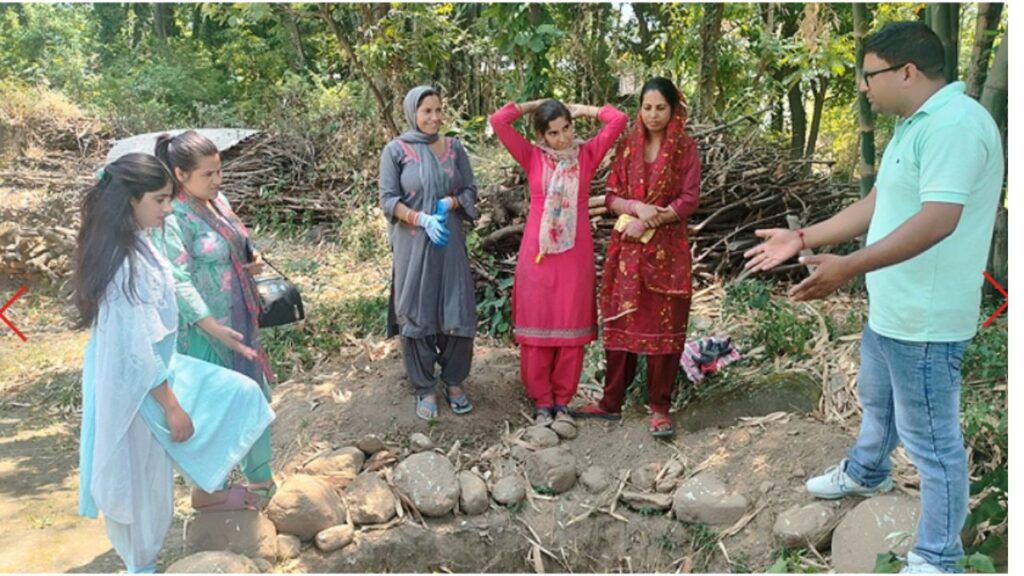
Rather than imposing solutions, the initiative prioritised community awareness and ownership. Himmotthan Society adopted participatory approaches to help villagers understand the health and environmental risks associated with unmanaged grey water.
Through wall paintings, village rallies, school engagements, transect walks, and participatory exercises using the SARAR toolkit, conversations around hygiene and waste management were made accessible and locally relevant. Demonstration sessions on clean toilets, composting, plastic segregation, and waste disposal further reinforced the importance of safe sanitation practices.
These activities helped shift perceptions- transforming grey water from an invisible problem into a shared responsibility.
A simple solution with lasting impact
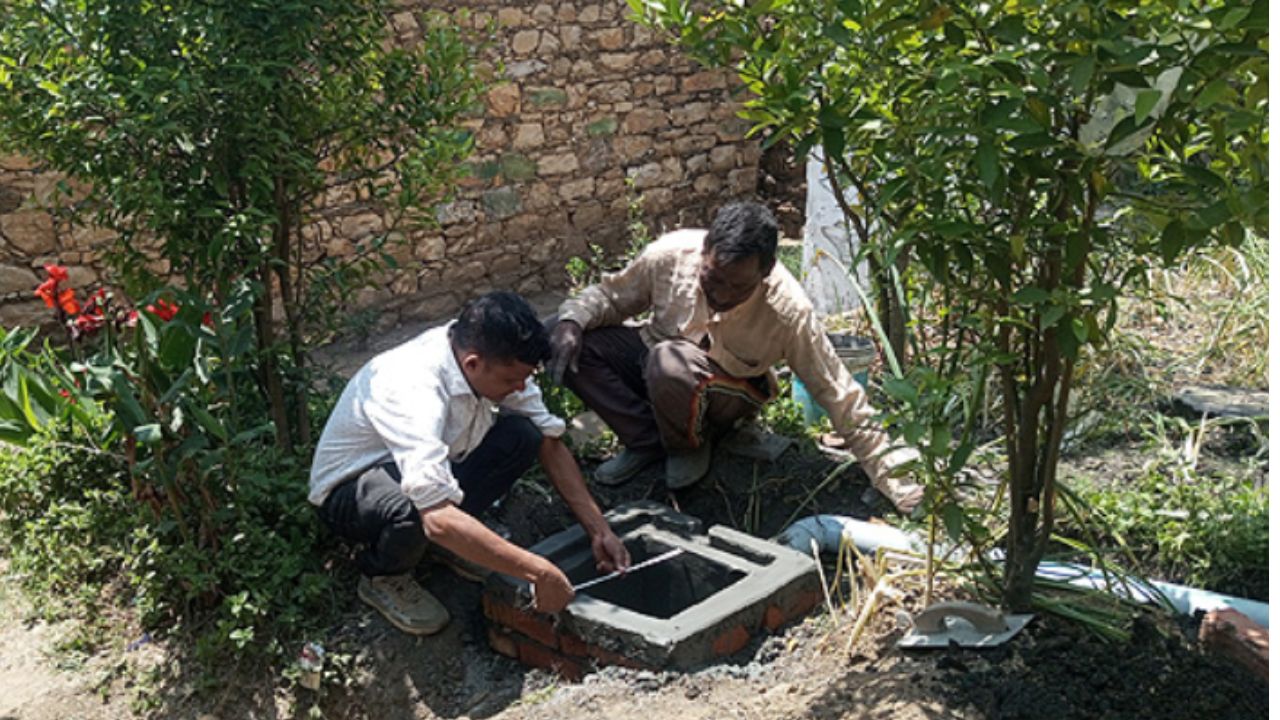
At the household level, the programme promoted the construction of simple soak pits- low-cost structures that filter and safely disperse grey water into the ground. Himmotthan Society provided technical designs, training, and implementation guidance by working closely with Village Water and Sanitation Committees across more than 300 villages.
Crucially, communities were encouraged to construct soak pits using their own resources, labour, and locally available materials. Many villages also leveraged government schemes such as MNREGA to support construction. This approach ensured that solutions were not only affordable but also locally owned and maintained.
Villagers responded with remarkable initiative- contributing time, effort, and materials to build soak pits for their households. This collective participation has been central to the programme’s sustainability.
Health, dignity, and cleaner surroundings
Monika Devi from Jaldiyal village in Chamba district of Himachal Pradesh described the change simply but powerfully: the presence of soak pits has reduced stagnant wastewater, improved sanitation, and lowered the incidence of illness in her community. With cleaner surroundings and better drainage, daily life has become healthier and more dignified.
To date, 760 soak pits have been constructed across 21 villages in Uttarakhand and Himachal Pradesh. Beyond infrastructure, the initiative has fostered a renewed sense of accountability and pride among villagers, who now actively maintain cleaner public spaces.
The ripple effect continues. Himmotthan Society has partnered with the Swachh Bharat Mission (Grameen) to engage Gram Panchayat representatives and promote universal coverage for effective grey water management.
Small pits, big change
In the Himalayan context- where terrain is challenging and resources are limited- simple, community-led solutions can have transformative impact. By combining institutional support with local leadership, this initiative demonstrates how managing something as ordinary as household wastewater can lead to extraordinary improvements in health, hygiene, and environmental resilience.
Sometimes, the path to cleaner villages and healthier lives begins with soaking up the problem- one household at a time.