
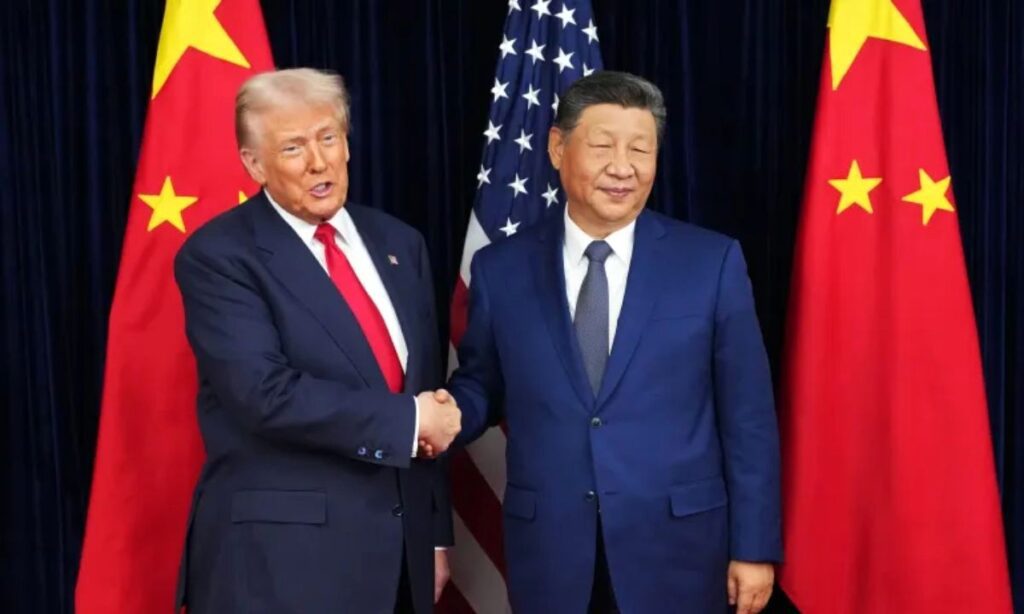


The release of the 2025 National Security Strategy (NSS) heralds a distinctive shift in how the United States defines its foreign policy and global role under the Make America Great Again (MAGA) framework. This shift marks a departure from the post–Cold War foreign policy consensus that emphasised multilateral cooperation, liberal international norms, and a broadly inclusive security architecture. In its place is a policy grounded in economic nationalism, transactional alliances, and a redefined global competition with China and other major powers.
At its core, MAGA diplomacy prioritises America’s national interest above collective action. It seeks to recalibrate Washington’s approach to alliances, trade, military engagement, and economic power projection, with China emerging as the central competitive focus. This article explains the ideology driving MAGA diplomacy, its strategic implications for the U.S.-China relationship, how Washington is engaging allies and partners, and what this means for global geopolitics.
What Is MAGA Diplomacy? An Overview
“MAGA diplomacy” refers to the foreign policy ethos associated with former President Donald Trump’s second term and reflected in strategic policy documents like the 2025 NSS. It blends economic nationalism, transactional bilateral engagement, and a narrower definition of national interest focused on sovereignty and domestic strength. Under this doctrine:
- Traditional multilateralism and alliance-based frameworks are downplayed.
- Foreign policy is treated as an extension of domestic economic and security priorities.
- Alliances are valued primarily for what they deliver to U.S. interests rather than shared values or collective security.
This marks a clear break from prior U.S. strategies that emphasised a “rules-based international order.” Instead, MAGA diplomacy emphasises competitive advantage and American primacy.
China at the Centre of U.S. Strategic Competition
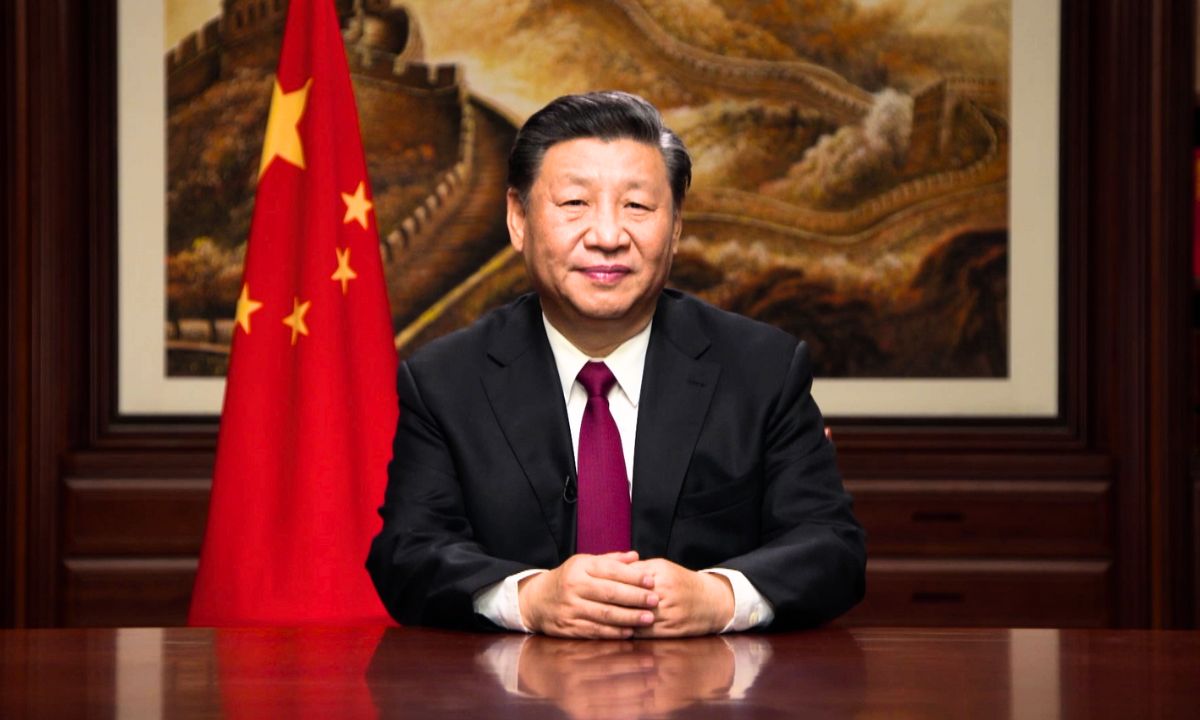
China has become the principal focus of U.S. strategic competition under MAGA diplomacy. Unlike prior U.S. strategies that framed China as a systemic competitor with incompatible values, the 2025 NSS presents a nuanced stance. It mixes a tempered ideological tone with clear structural competition across economic, technological, and geopolitical domains.
Economics and Technology
A key element of the U.S. strategy is reasserting its technological edge and economic resilience. Recent events illustrate the complexity of this competition:
- The Trump administration allowed Nvidia to sell advanced H200 AI chips to China under agreements that include U.S. financial participation. This move has sparked debate about whether such sales enhance China’s technological capabilities and potentially its military prowess.
- At the same time, Washington is building coalitions with allies such as Singapore, Australia, Japan, South Korea, and Israel to counter China’s dominance in critical minerals and emerging technologies. This initiative, often dubbed the “Pax Silica Declaration,” focuses on joint research, supply chain security, and reducing dependence on Beijing’s production networks.
These moves reflect the tension in U.S. policy between restricting China’s access to cutting-edge technologies and seeking short-term economic gains from cooperation.
Trade and Tariffs
Tariff policy remains a visible tool in MAGA diplomacy. During 2025, the administration imposed multiple tariff increases on Chinese goods and other trading partners as part of broader efforts to address trade imbalances and national security concerns. This has had mixed outcomes; in some cases, it reinforced China’s centrality in global supply chains rather than inducing diversification.
Security and Strategic Posture
While the NSS frames competition with China largely in economic and strategic terms, it also signals that the U.S. may leverage its military alliances and presence to contain China’s influence, particularly across the Indo-Pacific region. Analysts argue this constitutes a long-term competitive strategy that stops short of open confrontation but embraces containment logic in practice.
India and Strategic Autonomy in the Age of MAGA Diplomacy
For India, MAGA diplomacy presents a complex mix of opportunity and constraint. Washington continues to value New Delhi as a major economic partner and an influential Indo-Pacific actor, but the relationship is increasingly framed through transactional expectations rather than strategic altruism.
India’s insistence on strategic autonomy, diversified partnerships, and issue-based alignment limits how far it can be integrated into U.S. containment strategies against China. As U.S. foreign policy becomes more interest-driven and less alliance-centric, India will need to carefully balance engagement with Washington while safeguarding its independent foreign policy choices and regional priorities.
MAGA Diplomacy Beyond China: Allies and Global Realignment
MAGA diplomacy’s approach is not limited to China. It reallocates U.S. diplomatic focus globally, often with mixed effects:
Western Hemisphere Strategy
The U.S. places a renewed emphasis on the Western Hemisphere, asserting that foreign influence-especially from China-is unacceptable in the region. This is aligned with a modern reinterpretation of the Monroe Doctrine and has implications for Latin American diplomacy, security cooperation, and economic engagement.
Europe and Transatlantic Relations
U.S.–Europe ties have seen strains. The NSS includes language that some interpret as encouragement of ideological realignment in Europe, and broader strategic documents criticise European policy choices on defence, demographics, and geopolitical priorities. This reflects a transactional rather than partnership-based approach to alliances.
Middle East and Africa
In the Middle East, U.S. policy under MAGA diplomacy is pragmatic and transactional. The region is treated as an economic and security cooperation space rather than a locus for transformational engagement. Meanwhile, Africa is increasingly viewed through the lens of strategic resource access and counter-China influence rather than development partnerships.
Implications for Global Order and Diplomacy
MAGA diplomacy’s emphasis on power politics and transactional engagement signals a broader reorientation of global norms:
- Alliances are redefined based on mutual transactional benefits rather than shared values.
- Multilateral institutions are de-prioritised, with greater focus on regional or bilateral frameworks.
- Economic nationalism informs strategic choices in technology, trade, and investment policy.
- Power competition underpins diplomacy, especially with China, reshaping global strategic alignments.
Analysts caution that while the tempered rhetoric toward major power competition may reduce immediate geopolitical tensions, the underlying strategic posture reflects a durable competitive framework rather than cooperation. This suggests the U.S.–China rivalry will endure across economic, technological, and geopolitical dimensions.
Looking Ahead
As MAGA diplomacy continues to evolve, several developments merit close watching:
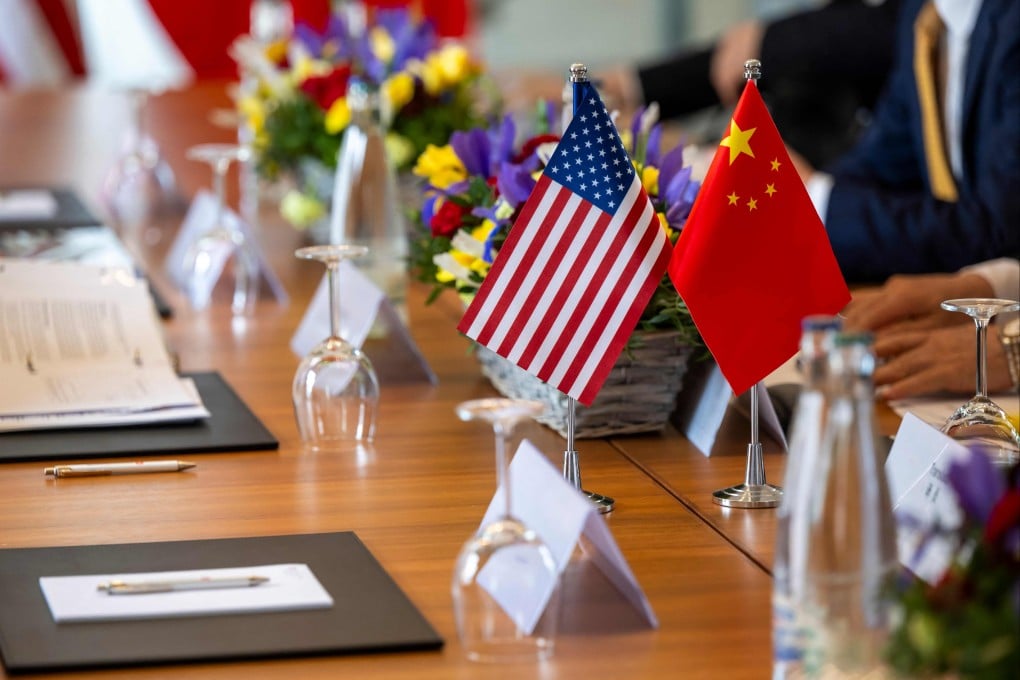
- U.S.–China dialogues on emerging technologies and supply chains, where opportunities for cooperation exist despite competition.
- The role of international coalitions like the Pax Silica group in shaping a counterbalance to China’s industrial influence.
- China’s strategic responses, which may exploit global divisions or reinforce its own leadership in key sectors.
- The impact on U.S. allies, especially in Asia, Europe, and Africa, who must navigate shifting U.S. priorities while safeguarding their own interests.
The 2025 U.S. National Security Strategy and MAGA-driven diplomacy reflect a foreign policy defined by competition, realpolitik, and transactional alliances more than consensus and collective global governance. For countries around the world, this presents both challenges and opportunities in a rapidly changing geopolitical landscape.